Why the Marangu Route is Called the “Coca-Cola Route” – A Complete Guide to Kilimanjaro’s Most Popular Trail
Climbing Mount Kilimanjaro is one of Africa’s most iconic adventures, attracting thousands of trekkers every year from around the world. Among the many routes that lead to the summit, the Marangu Route stands out as the most famous—and perhaps the most debated. Often referred to as the “Coca-Cola Route,” this trail has earned a nickname that sparks curiosity among first-time climbers and seasoned trekkers alike.
But why exactly is the Marangu Route called the Coca-Cola Route? Is it truly easier? And is it the right choice for your Kilimanjaro climb?
In this comprehensive guide, we explore the origins of the nickname, what makes this route unique, and whether it’s the best option for your Kilimanjaro adventure.
What is the Marangu Route?
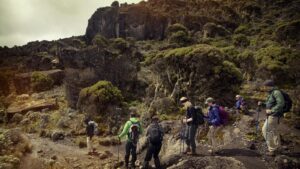
The Marangu Route is the oldest and most established trail on Mount Kilimanjaro. It approaches the mountain from the southeastern side and is the only route that offers hut accommodation instead of camping.
This route typically takes 5 to 6 days to complete and follows a relatively direct path to the summit, Uhuru Peak. Because of its infrastructure and shorter duration, it has long been considered the most accessible route for climbers.
Key Facts About the Marangu Route:
Duration: 5–6 days
Accommodation: Mountain huts (Mandara, Horombo, Kibo)
Difficulty: Moderate
Success Rate: Lower than longer routes due to shorter acclimatization time
Best For: Beginners or those preferring more comfort
Why is it Called the “Coca-Cola Route”?
The nickname “Coca-Cola Route” has both literal and symbolic meanings, and it reflects the overall experience of climbing via Marangu.
1. Availability of Coca-Cola on the Mountain
One of the most straightforward reasons behind the nickname is that Coca-Cola and other soft drinks are often sold at the huts along the route.
At stops like Mandara Hut and Horombo Hut, climbers can sometimes purchase bottled drinks, including Coca-Cola. Imagine reaching over 3,700 meters above sea level and being able to enjoy a cold soda—it’s a rare luxury on a high-altitude trek.
This unique feature helped give the route its famous nickname.
2. Comfort Compared to Other Routes
Unlike other Kilimanjaro routes such as the Machame Route or the Lemosho Route, which require camping in tents, Marangu offers dormitory-style huts with beds and mattresses.
These huts provide:
Basic shelter from cold and wind
Communal dining areas
Shared sanitation facilities
This added level of comfort makes the climb feel less extreme, especially for those new to high-altitude trekking.
Because of this, the route is often perceived as the “easier” or more “comfortable” option—hence the comparison to a widely accessible and familiar drink like Coca-Cola.
3. Popularity and Mass Appeal
Just like Coca-Cola is one of the most widely recognized brands in the world, the Marangu Route is the most popular Kilimanjaro route.
Its accessibility, shorter duration, and established infrastructure attract:
First-time climbers
Budget-conscious travelers
Tourists with limited time
This mass appeal reinforces the nickname, symbolizing a route that is widely consumed—just like the beverage itself.
4. Contrast with the “Whiskey Route”
The nickname also exists in contrast to the more challenging Machame Route, often called the “Whiskey Route.”
While Marangu is seen as easier and more straightforward, Machame is:
Steeper
More scenic
Physically demanding
Better for acclimatization
The playful naming creates a contrast:
Coca-Cola Route (Marangu): Easier, more comfortable, more accessible
Whiskey Route (Machame): Tougher, more adventurous, more rewarding
Route Overview: What to Expect on the Marangu Route
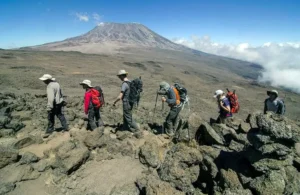
Climbing Kilimanjaro via the Marangu Route takes you through several ecological zones, each offering unique scenery and experiences.
Day 1: Marangu Gate to Mandara Hut
The trek begins at the Marangu Gate, where climbers enter a lush rainforest filled with monkeys, birds, and dense vegetation.
Elevation: ~1,870m to 2,700m
Highlights: Rainforest scenery, waterfalls
Day 2: Mandara Hut to Horombo Hut
The forest gradually transitions into moorland, with giant lobelias and sweeping views.
Elevation: ~2,700m to 3,720m
Highlights: Expansive landscapes, first views of Kibo
Day 3: Acclimatization at Horombo Hut (Optional but Recommended)
A rest day improves your chances of reaching the summit successfully.
Day 4: Horombo Hut to Kibo Hut
The landscape becomes alpine desert, with thinner air and minimal vegetation.
Elevation: ~3,720m to 4,700m
Highlights: Stark, lunar-like terrain
Day 5: Summit Attempt (Uhuru Peak)
Climbers start at midnight to reach the summit at sunrise.
Elevation: ~4,700m to 5,895m
Highlights: Glaciers, sunrise views from Uhuru Peak
Day 6: Descent to Marangu Gate
A long descent back through the different ecological zones.
Advantages of the Marangu Route
1. Comfortable Accommodation
Sleeping in huts instead of tents is a major advantage, especially during cold or rainy conditions.
2. Simpler Logistics
No need to carry camping gear, making the trek lighter and more straightforward.
3. Ideal for Beginners
Its gradual slope and clear path make it appealing to first-time climbers.
4. Lower Cost
In many cases, Marangu can be more affordable due to reduced equipment needs.
Disadvantages of the Marangu Route
1. Lower Summit Success Rate
Despite being considered easier, the shorter itinerary means less time for acclimatization, reducing success rates.
2. Less Scenic Variety
Unlike Machame or Lemosho, Marangu follows the same path up and down, limiting variety.
3. Crowds
Its popularity means the route can feel crowded, especially during peak seasons.
4. Shared Facilities
Huts are communal, which may reduce privacy and comfort for some climbers.
Marangu Route vs Other Kilimanjaro Routes
Marangu vs Machame Route
Marangu: Easier, huts, less scenic
Machame: More challenging, camping, highly scenic
Marangu vs Lemosho Route
Marangu: Shorter, more direct
Lemosho: Longer, better acclimatization, higher success rates
Is the Marangu Route Right for You?
The Marangu Route is ideal if you:
Prefer comfort over wilderness camping
Have limited time-
Are a first-time high-altitude trekker
Want a straightforward, well-established path
However, it may not be the best choice if you:
Want maximum summit success rates
Prefer remote and scenic trails
Enjoy camping and adventure-style trekking
Coca-Cola Route Kilimanjaro
Kilimanjaro climbing routes comparison
Best route to climb Mount Kilimanjaro
Marangu Route itinerary
Kilimanjaro hut accommodation
Tanzania trekking guide
Final Thoughts
The Marangu Route earned its nickname, the “Coca-Cola Route,” through a combination of comfort, accessibility, and popularity. From the availability of soft drinks at mountain huts to its reputation as the easiest path up Mount Kilimanjaro, the name perfectly captures the route’s character.
However, don’t let the nickname fool you—climbing Kilimanjaro is still a serious high-altitude challenge, regardless of the route you choose.
If you’re looking for a more comfortable, beginner-friendly experience, Marangu might be the perfect choice. But if you crave adventure, scenery, and higher success rates, you may want to explore alternatives like the Machame Route or the Lemosho Route.
Ready to Climb Kilimanjaro?
Choosing the right route is the first step toward reaching the Roof of Africa. Whether you go for the classic Coca-Cola Route or a more adventurous trail, your Kilimanjaro journey will be an unforgettable experience.