Shira Route
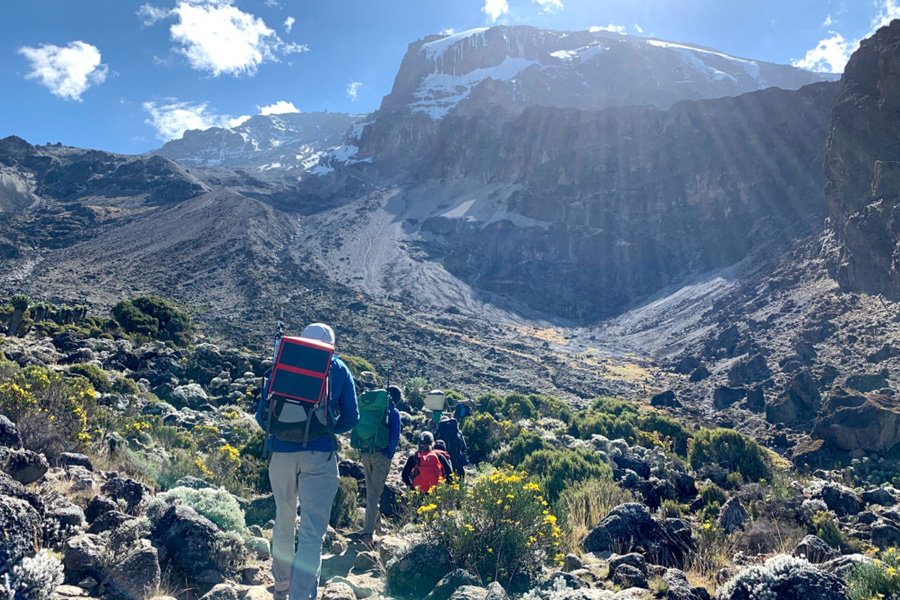
The Shira Route is one of the most spectacular and historically significant paths to the summit of Mount Kilimanjaro, Africa’s highest peak standing at 5,895 metres (19,341 feet) above sea level. Named after the ancient Shira Plateau — a collapsed volcanic caldera on Kilimanjaro’s western flank — this route offers climbers an extraordinary high-altitude approach that begins at an elevation most other routes don’t reach until day three.
Originally pioneered as an access path through Kilimanjaro’s western wilderness, the Shira Route was the classic western approach for decades. Today it has largely been superseded in popularity by the Lemosho Route, which shares the same upper mountain path but begins at a lower trailhead, offering better acclimatization. Nevertheless, the Shira Route retains a loyal following among experienced mountaineers who appreciate its directness, remoteness, and dramatic landscapes.
This comprehensive guide covers everything you need to know about climbing Kilimanjaro via the Shira Route — from elevation profiles and daily itineraries to costs, success rates, difficulty ratings, and a detailed comparison with its closest rival, the Lemosho Route.
ROUTE DISTANCE & OVERVIEW |
How Many Kilometres Is the Shira Route?
The Shira Route covers approximately 56 kilometres (35 miles) in total distance from the Londorossi Gate trailhead to the Mweka Gate descent point. This total accounts for the ascent via the Shira Plateau and the standard descent along the Mweka Route.
Total Distance | ~56 km (35 miles) — trailhead to Mweka Gate |
Ascent Distance | ~35 km (22 miles) — Londorossi Gate to Uhuru Peak |
Descent Distance | ~21 km (13 miles) — Uhuru Peak via Mweka Route |
Starting Elevation | 3,500 m (11,483 ft) — Shira Gate / Londorossi |
Highest Point | 5,895 m (19,341 ft) — Uhuru Peak |
Total Elevation Gain | ~2,395 m (7,858 ft) from trailhead to summit |
Route Direction | West to East (with Mweka descent) |
It is important to note that while the Shira Route is technically a shorter climb than routes like the Machame or Lemosho, the high starting elevation means climbers gain altitude faster, which can significantly impact acclimatization. Trekkers should not confuse a shorter distance with an easier experience.
NATIONAL PARK ACCESS |
Which Park Do You Enter to Climb Kilimanjaro via the Shira Route?
Climbing Kilimanjaro via the Shira Route requires entering Kilimanjaro National Park (KINAPA), administered by the Tanzania National Parks Authority (TANAPA). Kilimanjaro National Park is a UNESCO World Heritage Site and one of Tanzania’s most visited protected areas, covering approximately 1,688 square kilometres.
Entry Point: Londorossi Gate (Shira Route) The Londorossi Gate serves as the official registration and park entry point for both the Shira Route and the Lemosho Route. Located at approximately 2,100 m (6,890 ft) elevation on Kilimanjaro’s western slope, climbers check in, present permits, and begin vehicle transfer to the Shira Gate trailhead (3,500 m). |
Park Entry Requirements
- All climbers must hold a valid Kilimanjaro National Park climbing permit
- Climbing permits are typically organized through a licensed TANAPA tour operator
- Self-guided climbing is NOT permitted on Kilimanjaro — a registered guide is mandatory
- Passport copies and emergency contact details are required at gate registration
- Conservation fees are paid as part of the total operator package cost
DIFFICULTY RATING |
How Difficult Is the Shira Route?
The Shira Route is rated as Moderate to Difficult on the Kilimanjaro difficulty spectrum. While it is not technically the hardest route on the mountain in terms of terrain, its high starting elevation makes it more demanding from an acclimatization standpoint than most alternatives.
Factor | Rating | Score (/5) | Notes |
Acclimatization | Hard | 4/5 | High starting elevation = rapid altitude gain |
Physical Fitness | Moderate | 3/5 | Long days but no technical climbing required |
Terrain | Moderate | 3/5 | Varied: moorland, plateau, scree, and glacier |
Technical Skill | Low | 1/5 | No ropes or climbing gear needed |
Weather Risk | Moderate-High | 4/5 | Exposed plateau, afternoon cloud cover |
Summit Night | Strenuous | 5/5 | Steep scree, extreme cold, low oxygen |
Why the Shira Route Is Challenging
The primary difficulty of the Shira Route is not physical exertion but physiological adaptation. Climbers who drive to the Shira Gate at 3,500 m begin at an altitude equivalent to the third or fourth camp on routes that start lower. This compressed acclimatization profile means that:
- Acute Mountain Sickness (AMS) risk is higher than on Lemosho or Machame
- The body has fewer days to adapt before reaching extreme altitude zones
- Headaches, fatigue, and nausea are common within the first 24 hours
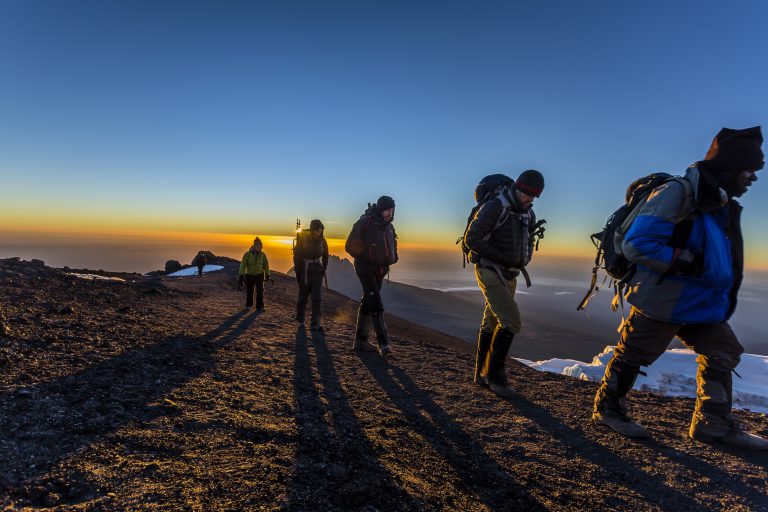
- The summit push (night 5 or 7) involves sustained effort at oxygen-depleted altitudes above 5,000 m
MOST SUCCESSFUL ROUTE ON KILIMANJARO |
ROUTE DISTANCE & OVERVIEW |
How Many Kilometres Is the Shira Route?
The Shira Route covers approximately 56 kilometres (35 miles) in total distance from the Londorossi Gate trailhead to the Mweka Gate descent point. This total accounts for the ascent via the Shira Plateau and the standard descent along the Mweka Route.
Total Distance | ~56 km (35 miles) — trailhead to Mweka Gate |
Ascent Distance | ~35 km (22 miles) — Londorossi Gate to Uhuru Peak |
Descent Distance | ~21 km (13 miles) — Uhuru Peak via Mweka Route |
Starting Elevation | 3,500 m (11,483 ft) — Shira Gate / Londorossi |
Highest Point | 5,895 m (19,341 ft) — Uhuru Peak |
Total Elevation Gain | ~2,395 m (7,858 ft) from trailhead to summit |
Route Direction | West to East (with Mweka descent) |
It is important to note that while the Shira Route is technically a shorter climb than routes like the Machame or Lemosho, the high starting elevation means climbers gain altitude faster, which can significantly impact acclimatization. Trekkers should not confuse a shorter distance with an easier experience.
NATIONAL PARK ACCESS |
Which Park Do You Enter to Climb Kilimanjaro via the Shira Route?
Climbing Kilimanjaro via the Shira Route requires entering Kilimanjaro National Park (KINAPA), administered by the Tanzania National Parks Authority (TANAPA). Kilimanjaro National Park is a UNESCO World Heritage Site and one of Tanzania’s most visited protected areas, covering approximately 1,688 square kilometers.
Entry Point: Londorossi Gate (Shira Route) The Londorossi Gate serves as the official registration and park entry point for both the Shira Route and the Lemosho Route. Located at approximately 2,100 m (6,890 ft) elevation on Kilimanjaro’s western slope, climbers check in, present permits, and begin vehicle transfer to the Shira Gate trailhead (3,500 m). |
Park Entry Requirements
- All climbers must hold a valid Kilimanjaro National Park climbing permit
- Climbing permits are typically organized through a licensed TANAPA tour operator
- Self-guided climbing is NOT permitted on Kilimanjaro — a registered guide is mandatory
- Passport copies and emergency contact details are required at gate registration
- Conservation fees are paid as part of the total operator package cost
DIFFICULTY RATING |
How Difficult Is the Shira Route?
The Shira Route is rated as Moderate to Difficult on the Kilimanjaro difficulty spectrum. While it is not technically the hardest route on the mountain in terms of terrain, its high starting elevation makes it more demanding from an acclimatization standpoint than most alternatives.
Factor | Rating | Score (/5) | Notes |
Acclimatization | Hard | 4/5 | High starting elevation = rapid altitude gain |
Physical Fitness | Moderate | 3/5 | Long days but no technical climbing required |
Terrain | Moderate | 3/5 | Varied: moorland, plateau, scree, and glacier |
Technical Skill | Low | 1/5 | No ropes or climbing gear needed |
Weather Risk | Moderate-High | 4/5 | Exposed plateau, afternoon cloud cover |
Summit Night | Strenuous | 5/5 | Steep scree, extreme cold, low oxygen |
Why the Shira Route Is Challenging
The primary difficulty of the Shira Route is not physical exertion but physiological adaptation. Climbers who drive to the Shira Gate at 3,500 m begin at an altitude equivalent to the third or fourth camp on routes that start lower. This compressed acclimatization profile means that:
- Acute Mountain Sickness (AMS) risk is higher than on Lemosho or Machame
- The body has fewer days to adapt before reaching extreme altitude zones
- Headaches, fatigue, and nausea are common within the first 24 hours
- The summit push (night 5 or 7) involves sustained effort at oxygen-depleted altitudes above 5,000 m
What Is the Most Successful Route on Kilimanjaro?
Based on summit success data collected by Kilimanjaro National Park authorities and published by major guiding operators, the Lemosho Route consistently records the highest overall summit success rate on Kilimanjaro, followed closely by the Northern Circuit Route and the Shira Route.
Route | Success Rate | Duration | Difficulty | Crowds |
Lemosho | 90-95% | 7-8 days | Moderate | Low |
Northern Circuit | 90-95% | 9-10 days | Moderate | Very Low |
Shira | 85-90% | 6-8 days | Moderate-Hard | Low |
Machame | 85-90% | 6-7 days | Moderate-Hard | High |
Marangu | 65-75% | 5-6 days | Moderate | High |
Rongai | 80-85% | 6-7 days | Moderate | Low |
Umbwe | 70-80% | 5-6 days | Hard | Very Low |
Note: The Shira Route row is highlighted above. The Lemosho and Northern Circuit routes achieve the highest success rates due to their longer itineraries providing superior acclimatization time.
SHIRA ROUTE ELEVATION PROFILE |
ROUTE DISTANCE & OVERVIEW |
How Many Kilometres Is the Shira Route?
The Shira Route covers approximately 56 kilometres (35 miles) in total distance from the Londorossi Gate trailhead to the Mweka Gate descent point. This total accounts for the ascent via the Shira Plateau and the standard descent along the Mweka Route.
Total Distance | ~56 km (35 miles) — trailhead to Mweka Gate |
Ascent Distance | ~35 km (22 miles) — Londorossi Gate to Uhuru Peak |
Descent Distance | ~21 km (13 miles) — Uhuru Peak via Mweka Route |
Starting Elevation | 3,500 m (11,483 ft) — Shira Gate / Londorossi |
Highest Point | 5,895 m (19,341 ft) — Uhuru Peak |
Total Elevation Gain | ~2,395 m (7,858 ft) from trailhead to summit |
Route Direction | West to East (with Mweka descent) |
It is important to note that while the Shira Route is technically a shorter climb than routes like the Machame or Lemosho, the high starting elevation means climbers gain altitude faster, which can significantly impact acclimatization. Trekkers should not confuse a shorter distance with an easier experience.
NATIONAL PARK ACCESS |
Which Park Do You Enter to Climb Kilimanjaro via the Shira Route?
Climbing Kilimanjaro via the Shira Route requires entering Kilimanjaro National Park (KINAPA), administered by the Tanzania National Parks Authority (TANAPA). Kilimanjaro National Park is a UNESCO World Heritage Site and one of Tanzania’s most visited protected areas, covering approximately 1,688 square kilometres.
Entry Point: Londorossi Gate (Shira Route) The Londorossi Gate serves as the official registration and park entry point for both the Shira Route and the Lemosho Route. Located at approximately 2,100 m (6,890 ft) elevation on Kilimanjaro’s western slope, climbers check in, present permits, and begin vehicle transfer to the Shira Gate trailhead (3,500 m). |
Park Entry Requirements
- All climbers must hold a valid Kilimanjaro National Park climbing permit
- Climbing permits are typically organized through a licensed TANAPA tour operator
- Self-guided climbing is NOT permitted on Kilimanjaro — a registered guide is mandatory
- Passport copies and emergency contact details are required at gate registration
- Conservation fees are paid as part of the total operator package cost
DIFFICULTY RATING |
How Difficult Is the Shira Route?
The Shira Route is rated as Moderate to Difficult on the Kilimanjaro difficulty spectrum. While it is not technically the hardest route on the mountain in terms of terrain, its high starting elevation makes it more demanding from an acclimatization standpoint than most alternatives.
Factor | Rating | Score (/5) | Notes |
Acclimatization | Hard | 4/5 | High starting elevation = rapid altitude gain |
Physical Fitness | Moderate | 3/5 | Long days but no technical climbing required |
Terrain | Moderate | 3/5 | Varied: moorland, plateau, scree, and glacier |
Technical Skill | Low | 1/5 | No ropes or climbing gear needed |
Weather Risk | Moderate-High | 4/5 | Exposed plateau, afternoon cloud cover |
Summit Night | Strenuous | 5/5 | Steep scree, extreme cold, low oxygen |
Why the Shira Route Is Challenging
The primary difficulty of the Shira Route is not physical exertion but physiological adaptation. Climbers who drive to the Shira Gate at 3,500 m begin at an altitude equivalent to the third or fourth camp on routes that start lower. This compressed acclimatization profile means that:
- Acute Mountain Sickness (AMS) risk is higher than on Lemosho or Machame
- The body has fewer days to adapt before reaching extreme altitude zones
- Headaches, fatigue, and nausea are common within the first 24 hours
- The summit push (night 5 or 7) involves sustained effort at oxygen-depleted altitudes above 5,000 m
What Is the Most Successful Route on Kilimanjaro?
Based on summit success data collected by Kilimanjaro National Park authorities and published by major guiding operators, the Lemosho Route consistently records the highest overall summit success rate on Kilimanjaro, followed closely by the Northern Circuit Route and the Shira Route.
Route | Success Rate | Duration | Difficulty | Crowds |
Lemosho | 90-95% | 7-8 days | Moderate | Low |
Northern Circuit | 90-95% | 9-10 days | Moderate | Very Low |
Shira | 85-90% | 6-8 days | Moderate-Hard | Low |
Machame | 85-90% | 6-7 days | Moderate-Hard | High |
Marangu | 65-75% | 5-6 days | Moderate | High |
Rongai | 80-85% | 6-7 days | Moderate | Low |
Umbwe | 70-80% | 5-6 days | Hard | Very Low |
Note: The Shira Route row is highlighted above. The Lemosho and Northern Circuit routes achieve the highest success rates due to their longer itineraries providing superior acclimatization time.
Shira Route Elevation
The Shira Route features one of the most aggressive altitude gain profiles on Kilimanjaro. Unlike most routes that begin near 1,800-2,000 m, the Shira Route launches from 3,500 m at the Shira Gate — the highest starting trailhead on the entire mountain.
Londorossi Gate (Registration) | 2,100 m / 6,890 ft |
Shira Gate (Trailhead) | 3,500 m / 11,483 ft |
Shira 1 Camp | 3,610 m / 11,844 ft |
Shira 2 Camp (Shira Plateau) | 3,840 m / 12,598 ft |
Moir Hut / Lent Hills | 4,200 m / 13,780 ft |
Barranco Camp | 3,960 m / 12,992 ft |
Karanga Camp | 3,995 m / 13,107 ft |
Barafu High Camp | 4,673 m / 15,331 ft |
Stella Point (Crater Rim) | 5,739 m / 18,829 ft |
Uhuru Peak (Summit) | 5,895 m / 19,341 ft |
Mweka Camp (Descent) | 3,100 m / 10,171 ft |
Mweka Gate (Exit) | 1,640 m / 5,380 ft |
Acclimatization Note: The ‘Pole Pole’ Principle Kilimanjaro guides emphasise ‘Pole pole’ (Swahili for ‘slowly slowly’). On the Shira Route, the acclimatisation profile is compressed. The standard ‘3,000 m sleep elevation’ rule is challenged immediately, making it critical that climbers employ an acclimatization hike on Day 2 — ascending to the Shira Cathedral or Eastern Plateau summit before descending to sleep at Shira 2 Camp. |
SHIRA ROUTE MAP & WAYPOINTS |
Shira Route Map
The Shira Route follows a distinctive west-to-east traverse of Kilimanjaro, crossing the ancient Shira Plateau caldera before joining the Southern Circuit for the final ascent. Below is a written map description and key geographical waypoints along the route.
Key Geographical Features
- Londorossi Gate (2,100 m) — Entry registration point. Vehicle drive to Shira Gate.
- Shira Gate (3,500 m) — Trekking begins through montane forest and moorland.
- Shira 1 Camp (3,610 m) — First overnight camp after entering the plateau.
- Shira Plateau — A vast, flat, ancient caldera at ~3,800-3,900 m; geologically unique.
- Shira 2 Camp (3,840 m) — Main acclimatization base with panoramic Kibo views.
- Shira Cathedral (3,872 m) — A striking rocky outcrop; excellent acclimatization hike.
- Moir Hut (4,200 m) — Optional camp for extended itineraries.
- Lava Tower (4,600 m) — Critical acclimatization landmark; high exposure to altitude.
- Barranco Wall — Iconic scramble section; technical but non-technical climbing.
- Barranco Camp (3,960 m) — Camp below the Barranco Wall.
- Karanga Valley Camp (3,995 m) — Camp used on longer itineraries.
- Barafu Camp (4,673 m) — Summit launch base; all routes merge here.
- Uhuru Peak (5,895 m) — Summit of Kilimanjaro and Africa.
Map Resources For digital maps, the following resources are recommended: Maps.me (offline capable), AllTrails Kilimanjaro maps, Fatmap 3D terrain, and Kilimanjaro National Park official topographic maps available at the park gate. GPS coordinates for major camps are also available through licensed guiding operators. |
6-DAY SHIRA ROUTE ITINERARY |
Shira Route Kilimanjaro — 6 Days
A 6-day Shira Route itinerary is the shortest recommended program. While feasible for physically very fit individuals who have prior high-altitude experience, it is not recommended for first-time high-altitude climbers due to limited acclimatization time.
Day | Route Section | Camp | Elevation | Hiking Time |
1 | Londorossi Gate → Shira 1 Camp | Shira 1 Camp | 3,610 m | 3-4 hrs |
2 | Shira 1 → Shira 2 Camp + Acclim. Hike | Shira 2 Camp | 3,840 m | 4-5 hrs |
3 | Shira 2 → Lava Tower → Barranco Camp | Barranco Camp | 3,960 m | 7-8 hrs |
4 | Barranco Wall → Barafu High Camp | Barafu Camp | 4,673 m | 7-9 hrs |
5 | Midnight Summit Push → Uhuru Peak → Mweka Camp | Mweka Camp | 3,100 m | 12-16 hrs |
6 | Mweka Camp → Mweka Gate (Exit) | Mweka Gate | 1,640 m | 3-4 hrs |
The 6-day itinerary skips Karanga Camp and moves quickly from Barranco to Barafu in one day. This is demanding but manageable for fit, acclimatized climbers.
8-DAY SHIRA ROUTE ITINERARY |
Shira Route Kilimanjaro — 8 Days
The 8-day Shira Route itinerary is the most highly recommended option. The additional days allow for superior acclimatization through extra rest stops and high-low profiles, significantly improving summit success chances and overall comfort.
Day | Route Section | Camp | Elevation | Hiking Time |
1 | Londorossi Gate → Shira 1 Camp | Shira 1 Camp | 3,610 m | 3-4 hrs |
2 | Shira 1 → Shira 2 + Acclim. Hike to Cathedral | Shira 2 Camp | 3,840 m | 5-6 hrs |
3 | Shira 2 → Moir Hut / Lent Hills | Moir Hut | 4,200 m | 5-6 hrs |
4 | Moir Hut → Lava Tower → Barranco Camp | Barranco Camp | 3,960 m | 6-8 hrs |
5 | Barranco Wall → Karanga Valley Camp | Karanga Camp | 3,995 m | 5-6 hrs |
6 | Karanga Camp → Barafu High Camp | Barafu Camp | 4,673 m | 4-5 hrs |
7 | Midnight Summit Push → Uhuru Peak → Mweka Camp | Mweka Camp | 3,100 m | 12-16 hrs |
8 | Mweka Camp → Mweka Gate (Certificate & Exit) | Mweka Gate | 1,640 m | 3-4 hrs |
The 8-day itinerary includes Moir Hut as an additional high-altitude camp and adds Karanga Valley as a rest stop before Barafu. This high-low-high acclimatization pattern is considered the gold standard for summit preparation.
WHY CLIMB VIA THE SHIRA ROUTE |
Why Climb Kilimanjaro through the Shira Route?
Despite being less popular than the Lemosho Route, the Shira Route offers a set of compelling and unique advantages for the right climber. Here are the top reasons to choose this extraordinary route:
1. Spectacular Shira Plateau
The Shira Plateau is one of the most geologically remarkable landscapes on Earth. As the remains of an ancient collapsed volcanic caldera, it stretches over 13 square kilometres at approximately 3,800-3,900 m elevation. The vast, treeless moorland — filled with giant heathers, lobelias, and groundsels — offers an otherworldly atmosphere unlike any other section of Kilimanjaro.
2. Fewer Crowds
The Shira Route sees significantly fewer climbers than the Machame or Marangu routes. Trekkers who value solitude, quiet camps, and an uncrowded mountain experience will find the Shira Route deeply rewarding. This also means more personalized attention from guides and support crews.
3. Western Approach & Unique Views
The Shira Route’s west-to-east approach delivers panoramic views of Kibo’s western glaciers and the entire southern ice field that are simply unavailable from the eastern or northern routes. Sunrise and sunset views from the Shira Plateau are among the most spectacular in all of East African climbing.
4. Excellent Acclimatization Profile (8-Day Version)
When extended to 8 days with a Moir Hut stop, the Shira Route delivers an acclimatization profile that rivals the Lemosho Route. The high-camp/low-sleep approach — ascending daily to higher elevations before descending to camp — closely mirrors best practices in high-altitude medicine.
5. Rich Biodiversity
The route passes through several distinct ecological zones: cultivated foothills, montane forest, sub-alpine moorland, the alpine desert of the Shira Plateau, and the Arctic summit zone. Wildlife sightings including white-necked ravens, mountain reedbuck, and occasionally buffalo add to the experience.
6. Direct Route to Summit
For experienced high-altitude trekkers, the Shira Route’s directness is a strategic advantage. Covering fewer total kilometres while accessing the same summit corridor means a faster, more focused ascent with less total time on the mountain.
SHIRA ROUTE HUTS & CAMPS |
Shira Route Kilimanjaro Huts & Camping
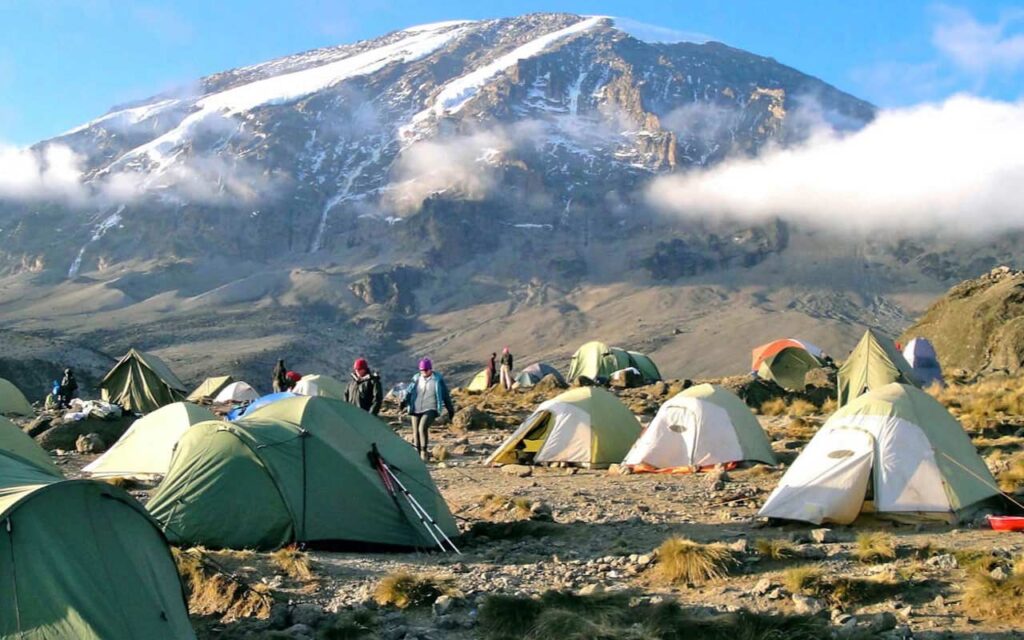
Unlike the Marangu Route (the only route with dedicated sleeping huts for all nights), the Shira Route is primarily a tented camping route. Climbers sleep in high-quality tents provided by operators at designated campsites. However, some fixed infrastructure exists at key locations.
Shira 1 Camp (3,610 m) | Designated campsite with basic facilities; open moorland setting; limited wind shelter |
Shira 2 Camp (3,840 m) | Largest and best-equipped plateau camp; toilet facilities; stunning Kibo views; water nearby |
Moir Hut (4,200 m) | Fixed A-frame metal hut structure; primarily used on 8-day+ itineraries; semi-wilderness |
Lava Tower Camp (4,600 m) | Optional lunch/rest stop; exposed volcanic terrain; no permanent facilities |
Barranco Camp (3,960 m) | Established campsite; toilet blocks; busy crossing point for multiple routes |
Karanga Camp (3,995 m) | Well-equipped campsite with toilet facilities; scenic valley location |
Barafu High Camp (4,673 m) | Summit launch base; permanent toilet/ranger facilities; very basic; cold and exposed |
Kosovo Camp (4,800 m) | Alternative to Barafu used by some operators; slightly higher elevation |
Mweka Camp (3,100 m) | Descent campsite; basic facilities; often wet due to montane forest proximity |
Camping Equipment Note Reputable operators provide full tented camping setups including dining tents, sleeping tents (typically 2-person), kitchen tents, and portable toilet tents. Sleeping bags rated to at least -15°C are essential. Climbers should verify tent quality and equipment lists with their operator before booking. |
SHIRA ROUTE SUCCESS RATE |
Shira Route Success Rate
The Shira Route records an overall summit success rate of approximately 85-90%, making it one of the higher-performing routes on Kilimanjaro. However, success rates vary significantly depending on the itinerary length chosen.
Itinerary | Success Rate | Recommended For | Risk Level |
6-Day Shira Route | ~78-82% | Experienced high-alt trekkers | Higher AMS risk |
7-Day Shira Route | ~85-88% | Fit trekkers, some altitude exp. | Moderate risk |
8-Day Shira Route | ~88-92% | All fitness levels (recommended) | Lower risk |
9+ Day Shira Route | ~92-95% | Cautious approach, max success | Minimal risk |
Factors That Improve Your Success Rate
- Choose an 8-day itinerary over a 6-day one
- Hire an experienced AMREF-trained guide with strong summit track record
- Stay well-hydrated (3-4 litres per day minimum)
- Take Diamox (acetazolamide) if recommended by your physician
- Arrive in Tanzania 2-3 days before climbing to adjust to Arusha’s 1,400 m elevation
- Invest in high-quality cold-weather gear — hypothermia on summit night is a leading cause of turnaround
- Listen to your body and communicate symptoms to your guide honestly
THE HARDEST ROUTE ON KILIMANJARO |
What Is the Hardest Route on Kilimanjaro?
The Umbwe Route is widely considered the hardest route on Kilimanjaro. It is steep, direct, and unforgiving, with minimal acclimatization built into its short itinerary. Here is how the major routes rank by overall difficulty:
1st — Umbwe Route (Hardest) | Very steep, short (5-6 days), lowest success rate, minimal acclimatization, expert-only |
2nd — Shira Route (6-Day) | High starting elevation, compressed acclim., aggressive profile; difficult for beginners |
3rd — Machame Route | Steep sections, long days, high traffic; moderate-hard but well-managed |
4th — Rongai Route | Moderate difficulty, gentler gradient; less well-known but accessible |
5th — Marangu Route | Easiest terrain but shortest standard itinerary; deceptively high failure rate |
6th — Lemosho Route (Easiest) | Gentle gradient, long acclimatization; easiest overall for summit success |
While the Shira Route at 6 days approaches Umbwe levels of difficulty (due to altitude gain pace), extending to 8 days drops it firmly into the moderate-hard category, manageable for most well-prepared trekkers.
SHIRA ROUTE VS. LEMOSHO ROUTE |
Kilimanjaro Shira Route vs. Lemosho Route
The Shira Route and Lemosho Route are often confused or considered interchangeable because they share the same upper mountain path from the Shira Plateau onward. However, they differ meaningfully in their starting points and early itinerary.
Comparison Factor | SHIRA ROUTE | LEMOSHO ROUTE |
Entry Gate | Londorossi Gate (2,100 m) | Londorossi Gate (2,100 m) |
Trailhead Start | Shira Gate — 3,500 m (by vehicle) | Lemosho Glades — 2,100 m (on foot) |
Day 1 Camp | Shira 1 Camp (3,610 m) | Forest Camp / Big Tree Camp (~2,750 m) |
Route Distance | ~56 km total | ~70 km total |
Recommended Duration | 6-8 days | 7-8 days |
Acclimatization Quality | Moderate (compressed on 6-day) | Excellent (gradual from forest) |
Success Rate | 85-90% | 90-95% |
Crowd Level | Low | Low-Moderate |
Scenic Variety | High (plateau + mountain) | Very High (forest + plateau + mtn) |
Suitable For Beginners? | Experienced trekkers (6-day) | Yes (7-8 day recommended) |
Cost Comparison | Slightly cheaper | Standard pricing |
Best For | Experienced, fit trekkers wanting a faster western approach | Most trekkers wanting best scenery and highest success chance |
Verdict: Which Should You Choose?
- Choose Lemosho if: you are a first-time high-altitude climber, want maximum success probability, or prize scenic diversity including dense forest zones.
- Choose Shira if: you are an experienced trekker, have previous altitude experience above 4,000 m, prefer a more direct approach, or have limited time (6-day window).
SHIRA ROUTE COST |
How Much Does the Shira Route Cost?
Climbing Kilimanjaro via the Shira Route is a significant financial investment. Costs vary depending on operator quality, group size, itinerary length, and the level of service included. Below is a comprehensive cost breakdown.
All-Inclusive Operator Package Costs
Package Type | 6-Day Cost | 8-Day Cost | What’s Included |
Budget Operator | $1,400-$1,800 | $1,700-$2,100 | Basic; verify park fees included |
Mid-Range Operator | $2,000-$2,800 | $2,500-$3,200 | Standard gear; good guides; meals |
Premium Operator | $3,000-$4,000 | $3,500-$4,800 | Luxury tents, private guides, extras |
High-End Expedition | $4,500-$6,000+ | $5,500-$7,500+ | 5-star experience, helicop. evac ins. |
Mandatory Park Fees (2024-2025 Rates)
Conservation Fee | $70 USD per person per day |
Camping Fee | $50 USD per person per night |
Rescue Fee | $20 USD per person per trip (mandatory) |
VAT (Tanzania) | 18% applied to park fees |
Total Park Fees (6-Day) | Approx. $870-$960 USD per person |
Total Park Fees (8-Day) | Approx. $1,140-$1,240 USD per person |
Crew Gratuities (Recommended) | $200-$400 USD per person (guides, porters, cook) |
Additional Costs to Budget For
- International flights to Kilimanjaro International Airport (JRO): varies widely
- Arusha hotel accommodation (pre/post climb): $50-$200 per night
- Travel insurance with high-altitude evacuation cover: $80-$200
- Gear rentals (sleeping bag, poles, gaiters): $50-$150 from operators
- Visa on arrival (Tanzania): $50 USD for most nationalities
- Vaccinations (Yellow Fever, Typhoid, etc.): varies by country
Cost-Saving Tip Avoid the very cheapest operators. Low-cost operators often cut corners on crew wages (leading to underpaid porters and guides), equipment quality, and food standards. The Kilimanjaro Porters Assistance Project (KPAP) certifies operators who meet ethical employment standards — look for their certification when booking. |
ESSENTIAL TIPS FOR THE SHIRA ROUTE |
Top Tips for Climbing Kilimanjaro via the Shira Route
- Train specifically for altitude — include stair climbing and loaded pack hikes at minimum 4-5 days per week for 3 months before departure.
- Choose the 8-day itinerary — the additional days dramatically improve your acclimatization and success odds.
- Invest in quality gear — summit night temperatures can reach -20°C on the Shira Route. Inferior gear kills summit attempts.
- Pre-acclimatize if possible — spend 2-3 days in Arusha (1,400 m) or consider a Kilimanjaro Day Hike before your main climb.
- Hire certified guides — KINAPA-licensed guides with AMREF Wilderness Medicine or WEMS certification are significantly more effective in altitude emergencies.
- Carry Diamox (acetazolamide) — consult your doctor about starting a course 1-2 days before your climb to reduce AMS symptoms.
- Drink at least 3-4 litres of water daily — dehydration worsens AMS symptoms and impairs physical performance.
- Never ascend with symptoms of severe AMS, HACE, or HAPE — descent is the only cure.
- Budget for good tipping — your guides and porters work extraordinarily hard in dangerous conditions. $10-15 USD per porter per day is the recommended rate.
- Get comprehensive travel insurance including medical evacuation cover — helicopter rescue from Barafu costs $3,000-$8,000 without insurance.
CONCLUSION |
Conclusion
The Shira Route is a magnificent, rewarding, and historically rich path to the roof of Africa. With its dramatic plateau landscapes, relatively low traffic, and excellent summit views, it rewards well-prepared climbers with one of Kilimanjaro’s most memorable experiences.
For climbers with high-altitude experience who seek a direct, scenic western approach, the 8-day Shira Route delivers an 88-92% summit success rate and an adventure that few routes can match. For first-time high-altitude trekkers, the closely related Lemosho Route offers a gentler entry to the same upper mountain.
Whichever option you choose, preparation, patience, and the wisdom to listen to your body will be your greatest assets on the summit push. Follow the principle of ‘Pole pole’ — slowly, slowly — and Uhuru Peak, Africa’s highest point, will be within your reach.