Best Time to Climb Kilimanjaro — Month by Month
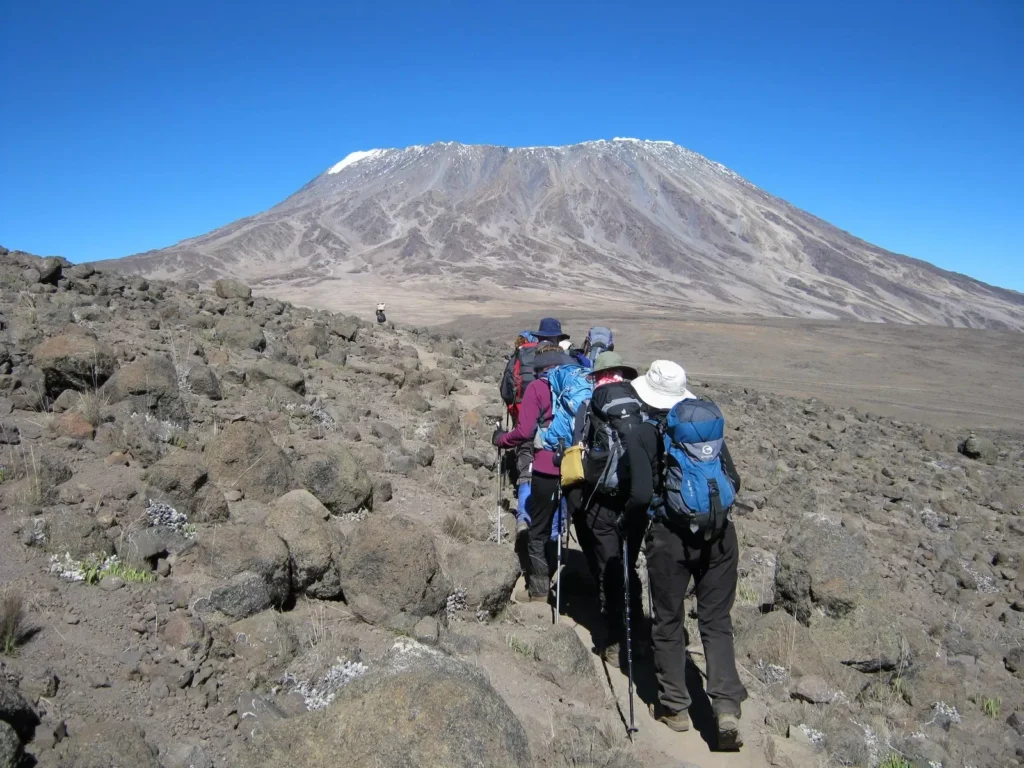
Best Time to Climb Kilimanjaro — Month by Month: Mount Kilimanjaro, standing at 5,895 metres (19,341 feet) above sea level, is the highest mountain in Africa and one of the world’s iconic trekking destinations. Located in northern Tanzania near the Kenyan border, Kilimanjaro is a dormant stratovolcano and the tallest free-standing mountain on Earth. Unlike technical peaks such as Everest or K2, Kilimanjaro requires no prior mountaineering experience — making it accessible to fit, determined hikers from all walks of life.
Every year, approximately 50,000 climbers attempt to summit Uhuru Peak, the highest point on Kilimanjaro’s Kibo crater rim. Of those, roughly 65% reach the summit — a statistic that underscores the mountain’s genuine challenge. Altitude sickness, cold temperatures, and physical endurance all play significant roles. However, with the right preparation, a well-chosen route, and the ideal time of year, your chances of standing on the Roof of Africa are excellent.
This comprehensive guide covers every aspect of a successful Kilimanjaro climb — from the best months to go, what to pack, the top routes, how to do it on a budget, and the insider knowledge that experienced climbers wish they’d had before setting foot on the mountain.
Best Time to Climb Kilimanjaro — Month by Month
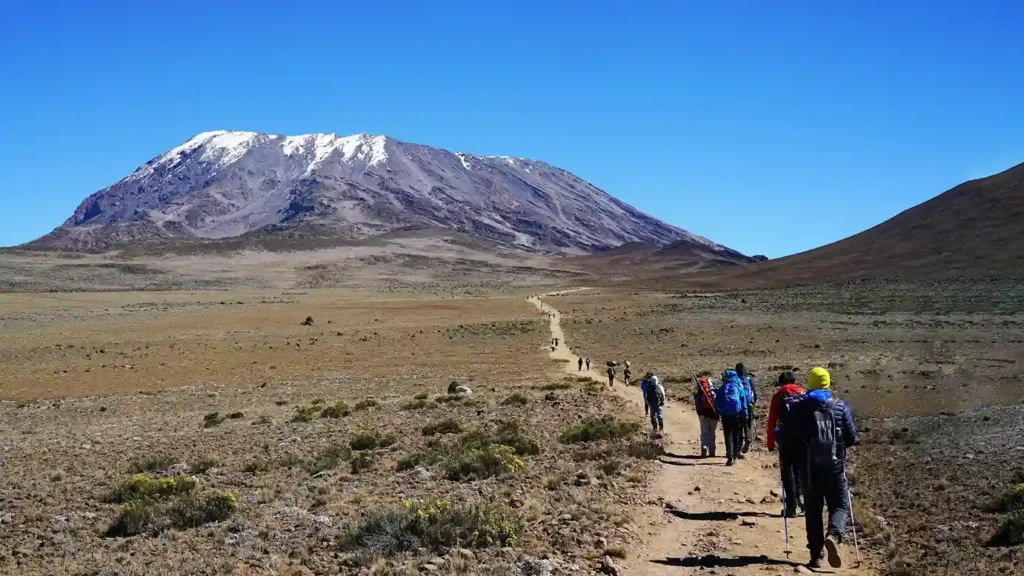
Timing is one of the most critical decisions you’ll make when planning a Kilimanjaro climb. The mountain’s climate is shaped by Tanzania’s two rainy seasons and two dry seasons, and your choice of month will affect visibility, trail conditions, temperatures, crowd levels, and ultimately your summit success rate.
The Two Best Seasons at a Glance
- January–March (Dry Season): Warm, clear skies — the short dry spell between the long and short rains.
- June–October (Main Dry Season): The most popular and reliable climbing window of the year.
Below is a month-by-month breakdown to help you plan your climb:
Month | Weather | Crowd Level | Difficulty | Rating |
January | Warm & dry | High | Moderate | ⭐⭐⭐⭐ Excellent |
February | Warm & dry | Medium | Moderate | ⭐⭐⭐⭐⭐ Best |
March | Rainy starts | Low | Harder | ⭐⭐⭐ Fair |
April | Heavy rains | Very Low | Hard | ⭐⭐ Poor |
May | Heavy rains | Very Low | Hard | ⭐⭐ Poor |
June | Clear & cold | Medium | Moderate | ⭐⭐⭐⭐ Good |
July | Clear & cold | Very High | Moderate | ⭐⭐⭐⭐ Good |
August | Clear & cold | Very High | Moderate | ⭐⭐⭐⭐ Good |
September | Clear & dry | High | Moderate | ⭐⭐⭐⭐⭐ Best |
October | Transition | Medium | Moderate | ⭐⭐⭐⭐ Good |
November | Short rains | Low | Harder | ⭐⭐⭐ Fair |
December | Warm & clear | Medium-High | Moderate | ⭐⭐⭐⭐ Good |
Month-by-Month Detailed Breakdown
January — Excellent Climbing
January falls in one of Kilimanjaro’s best climbing windows. The long rains have ended and you’ll enjoy warm, dry days with excellent visibility. Temperatures at the summit hover around -10°C to -20°C, while lower camps are pleasantly mild. Crowds are moderate as the holiday season has just passed. This is a fantastic month for both acclimatization and panoramic views.
February — The Single Best Month
February is widely regarded by guides and experienced climbers as the single best month to climb Kilimanjaro. It sits squarely in the dry season with the fewest crowds, warmest temperatures, and best visibility. The mountain is at its most accessible. If you can only choose one month, choose February.
March — Transitional, Still Possible
By late March, the long rains begin to encroach. The first half of the month can still offer good conditions, but trails become muddier and cloud cover increases toward the end. Crowds are lower and operator prices may be more competitive. Experienced trekkers with flexible schedules can still have a successful climb.
April & May — Avoid If Possible
These are the wettest months on Kilimanjaro. The long rains drench the forests and heathlands, turning paths into rivers of mud. Visibility is severely reduced, temperatures drop sharply, and the risk of hypothermia rises. Success rates fall significantly. Only very experienced climbers with full rain gear should consider these months — and many operators either reduce prices dramatically or pause operations entirely.
June — Start of the Best Season
June marks the beginning of Kilimanjaro’s peak dry season. The rains retreat and clear skies return. It can be cold — particularly at night and at altitude — but conditions are generally excellent. Crowds build gradually through the month. June offers a sweet spot between the post-rain freshness and the high season bustle of July and August.
July & August — Peak Season
July and August are the busiest months on Kilimanjaro. Climbers from Europe and North America take advantage of school holidays and the reliable dry weather. Trails and camps can feel crowded, particularly on popular routes like Machame. However, weather conditions are outstanding — cold but clear. Book your operator and route well in advance if targeting these months.
September — Hidden Gem
September rivals February as one of the best months to climb. The peak season crowds have begun to thin, conditions remain dry and clear, and operators are slightly more flexible on pricing. Many experienced Kilimanjaro guides consider September the optimal balance of good weather, lower crowds, and superb summit visibility.
October — Shoulder Season Excellence
October is a transitional month and one of the most underrated windows for climbing. Conditions are still largely dry, and short-rain showers (if they arrive at all) are typically brief. Crowd levels are moderate. This month is ideal for travellers who want good conditions without the high-season rush.
November — Short Rains Arrive
The short rainy season begins in November, bringing afternoon showers, mud on the lower trails, and reduced visibility above the cloud line. Climbing is still possible, especially on routes that ascend quickly through the rainforest zone. Prices drop noticeably and the mountain is quiet. Only attempt in November if you’re flexible and mentally prepared for wet conditions.
December — Good to Excellent
December is a pleasant surprise. The short rains usually clear mid-month, and the Christmas–New Year period sees a surge of motivated climbers. Clear conditions, warm temperatures, and a festive atmosphere on the mountain make late December an excellent time to climb. Book early, as demand from holidaymakers fills operator slots quickly.
Best Routes to Climb Kilimanjaro
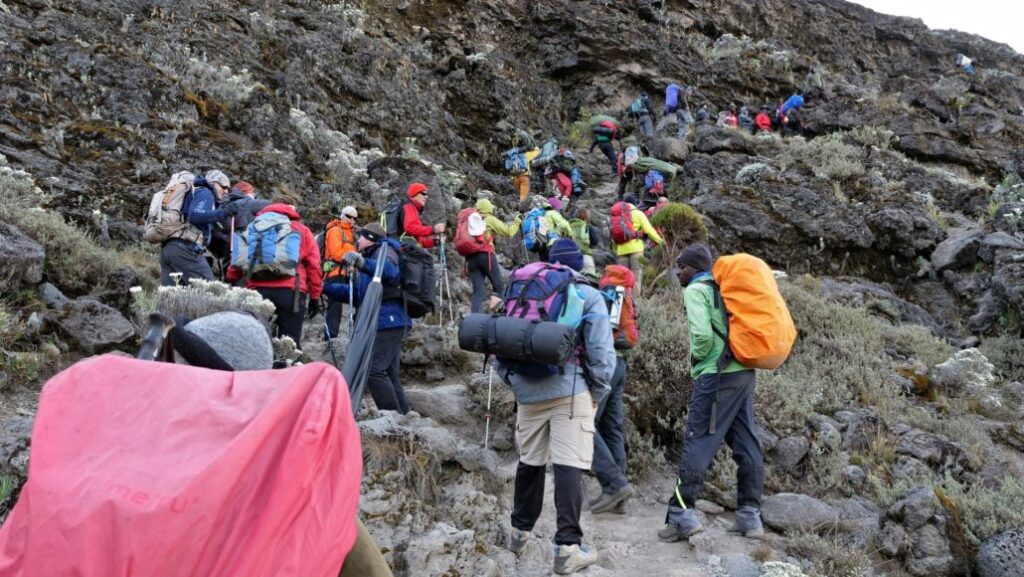
Kilimanjaro has seven established climbing routes, each offering a distinct experience in terms of scenery, duration, difficulty, and summit success rate. Choosing the right route is one of the most important decisions you’ll make. Below is a detailed comparison followed by in-depth profiles of each route.
Route | Duration | Difficulty | Scenery | Success Rate | Best For |
Marangu | 5-6 days | Easy-Mod | Moderate | ~65% | Budget hikers |
Machame | 6-7 days | Moderate | Spectacular | ~85% | Most climbers |
Lemosho | 7-8 days | Moderate | Outstanding | ~90% | Best overall |
Rongai | 6-7 days | Moderate | Unique | ~80% | Dry-season pick |
Umbwe | 5-6 days | Very Hard | Dramatic | ~60% | Experienced only |
Northern Circuit | 9-10 days | Moderate | Best variety | ~95% | Max acclimatization |
Route Profiles
- Machame Route — The Whiskey Route (Most Popular)
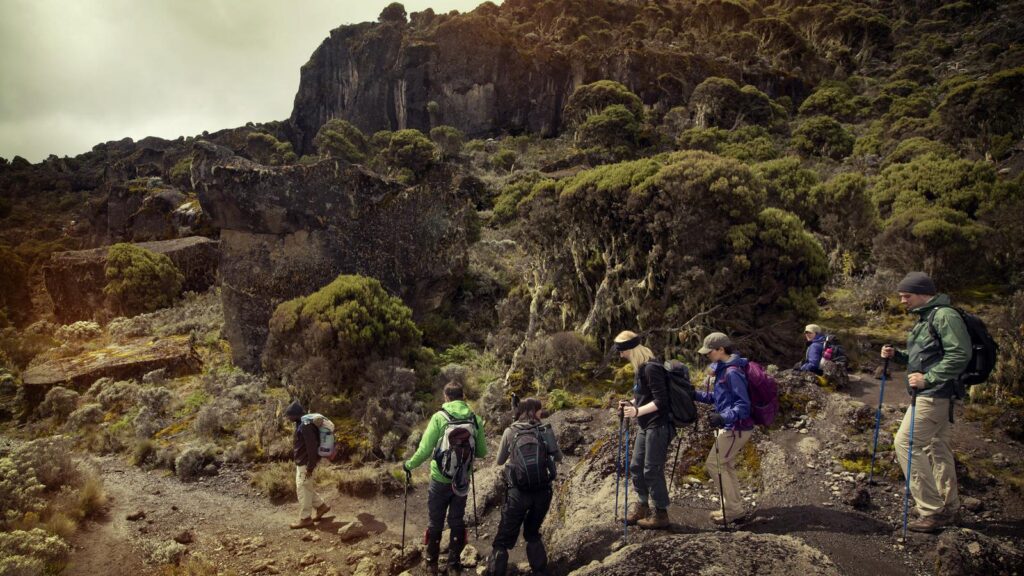
The Machame Route is the most popular route on Kilimanjaro and for good reason. It offers spectacular scenery, excellent acclimatization through its ‘climb high, sleep low’ profile, and a high success rate. The route traverses some of Kilimanjaro’s most dramatic landscapes — including the famous Barranco Wall, a thrilling (but non-technical) scramble. Machame is typically done in 6-7 days, with a 7-day itinerary strongly recommended for better acclimatization.
- Duration: 6-7 days
- Best for: First-time Kilimanjaro climbers who are fit and want the best scenery
- Crowds: High in peak season — camps can feel busy
- Highlights: Shira Plateau, Lava Tower (4,630m), Barranco Wall, Karanga Valley
- Lemosho Route — The Premium Experience
The Lemosho Route is widely considered the best overall route on Kilimanjaro, combining excellent acclimatization, outstanding scenery, and relatively lower crowds (at least on the first half of the route). It approaches from the west, crossing the stunning Shira Plateau and joining the Machame Route near Lava Tower. The 7-8 day duration makes it the best choice for maximising summit success rates. It is slightly more expensive than Machame due to its remote starting point.
- Duration: 7-8 days
- Best for: Climbers prioritising success rate and scenery
- Crowds: Lower than Machame initially, merging later
- Highlights: Shira Wilderness, diverse ecosystems, stunning western approach
- Marangu Route — The Coca-Cola Route
The Marangu Route is the oldest and most established route on Kilimanjaro. It is the only route with dormitory-style sleeping huts rather than tents, making it a favourite among those seeking slightly more comfort. It is also often the cheapest option. However, its 5-day standard itinerary provides insufficient time for acclimatization, resulting in the lowest summit success rate of all major routes. Taking the 6-day option significantly improves chances.
- Duration: 5-6 days
- Best for: Budget climbers, those who dislike sleeping in tents
- Crowds: Can be very busy — the same trail is used for ascent and descent
- Warning: Do NOT choose the 5-day option; the 6-day dramatically improves success rate
- Rongai Route — The Northern Approach
The Rongai Route is the only route that approaches Kilimanjaro from the north, near the Kenyan border. It is drier than the southern routes, making it ideal for the rainy season when other routes become very muddy. Scenery is more remote and wildlife sightings (particularly buffalo and elephant) are more common. It descends via the Marangu Route. A relatively gentle gradient makes it suitable for less experienced trekkers.
- Duration: 6-7 days
- Best for: Rainy season climbers, wildlife enthusiasts, quieter trail experience
- Crowds: Generally low to moderate
- Highlights: Remote wilderness feel, potential wildlife encounters, dry approach
- Northern Circuit — The Highest Success Rate
The Northern Circuit is the longest route on Kilimanjaro, circumnavigating almost the entire mountain before summiting. Its 9-10 day duration provides the most acclimatization time of any route, resulting in a success rate approaching 95%. It is the quietest route on the mountain and showcases the full diversity of Kilimanjaro’s ecosystems. If you have the time and budget, the Northern Circuit is the ultimate Kilimanjaro experience.
- Duration: 9-10 days
- Best for: Serious trekkers wanting the highest success rate and most comprehensive experience
- Crowds: The least crowded route on the mountain
- Cost: The most expensive due to length and permit days
- Umbwe Route — Not for Beginners
The Umbwe Route is the steepest and most direct route to the summit. It offers dramatic, dense rainforest scenery and a very remote feel, but its steep ascent profile leaves minimal time for acclimatization, resulting in low success rates for those not highly experienced at altitude. It is not recommended for first-time Kilimanjaro climbers.
- Duration: 5-6 days
- Best for: Highly experienced climbers only; very fit individuals returning to Kilimanjaro
- Warning: Low success rate due to rapid ascent profile
What to Pack to Climb Kilimanjaro
Packing correctly for Kilimanjaro can literally save your life. The mountain passes through five distinct climate zones — from tropical rainforest at the base to arctic conditions at the summit. Your kit must be versatile, layered, and of sufficient quality to withstand extreme cold, wind, and rain.
The Layering System
Every experienced Kilimanjaro climber swears by the three-layer system. This approach allows you to add or remove layers as conditions change throughout the day:
- Base Layer: Moisture-wicking thermals (merino wool or synthetic). Never cotton — it retains sweat and causes dangerous chill.
- Mid Layer: Insulating fleece or down jacket for warmth at camp and high altitude.
- Outer Layer: Waterproof and windproof hardshell jacket and trousers. Essential for summit night.
Essential Gear Checklist
Clothing
- Thermal base layers (top and bottom) × 2 pairs
- Fleece jacket or mid-layer pullover
- Heavy down jacket (summit-grade, rated to -20°C)
- Waterproof hardshell jacket and trousers
- Trekking trousers × 2 (convert to shorts ideally)
- Warm hat / balaclava for summit night
- Sun hat with wide brim for lower altitudes
- Gloves (liner gloves + waterproof mittens for summit)
- Warm socks × 4-5 pairs (merino wool recommended)
- Gaiters (keeps debris and moisture out of boots)
Footwear
- Waterproof hiking boots (broken in before the climb — never wear new boots on Kilimanjaro)
- Camp sandals or lightweight shoes for evenings at camp
- Trekking poles (two poles significantly reduce knee strain on descents)
Sleeping & Camp Gear
- Sleeping bag rated to at least -15°C (cold-weather bag is non-negotiable)
- Sleeping bag liner (adds 5-10°C of warmth)
- Inflatable sleeping mat or foam pad (if not provided by operator)
Health & Safety
- Altitude medication (Diamox/acetazolamide — consult your doctor before the climb)
- Personal first aid kit: blister pads, antiseptic cream, painkillers, rehydration sachets
- Sunscreen SPF 50+ and lip balm with SPF (UV intensity is extreme above the cloud line)
- Sunglasses with UV400 or glacier glasses for snow glare at altitude
- Headlamp with fresh batteries + spare batteries (summit night starts at midnight)
- Water bottles (2 × 1L) or hydration bladder (note: bladder hoses freeze at altitude — bring bottles as backup)
- Water purification tablets
Pack & Carry
- Daypack (20-30L) for daily hiking — carried by you
- Duffel bag (95-100L) for camp gear — carried by your porter
- Dry bags or waterproof stuff sacks to protect electronics and clothing
- Trekking pole wrist straps replaced/checked before departure
Documents & Money
- Passport (valid for at least 6 months after travel date)
- Tanzania visa (can be obtained on arrival or online via e-visa)
- Kilimanjaro climbing permit (handled by your operator)
- Travel insurance policy printout (must cover high-altitude trekking and evacuation)
- Cash in USD (Tanzania shillings also useful for tips)
💡 Pro Packing Tip |
Your porter carries your duffel — but keep your daypack under 10kg for your own comfort. Rent expensive gear (down jackets, sleeping bags, gaiters, trekking poles) in Moshi or Arusha for a fraction of the purchase price. Local rental shops are reliable and well-stocked. Only buy the expensive gear if you plan multiple high-altitude climbs. |
Where to Fly to Climb Kilimanjaro
Getting to Kilimanjaro is straightforward, with several airport options and a range of flight connections from major international hubs.
Primary Airport: Kilimanjaro International Airport (JRO)
Kilimanjaro International Airport (IATA: JRO) is the closest and most convenient airport for climbers. Located between Moshi and Arusha, it sits approximately 45 minutes by road from Moshi town centre (the main base for Kilimanjaro operations) and about 1 hour from Arusha.
JRO receives direct international flights from:
- Amsterdam (KLM — direct flight, approximately 9 hours)
- Doha (Qatar Airways — direct flight, approximately 6 hours)
- Dubai (Emirates — codeshare via Nairobi)
- Addis Ababa (Ethiopian Airlines — direct flight, approximately 2.5 hours)
- Nairobi (Kenya Airways, Precision Air — 45-minute regional hop)
From the UK, Europe, USA, Australia, and Canada, most climbers route through Amsterdam (KLM direct to JRO is a favourite), Doha (Qatar Airways), Addis Ababa (Ethiopian Airlines), or Nairobi (Kenya Airways) as primary hubs.
Alternative Airport: Julius Nyerere International Airport, Dar es Salaam (DAR)
Tanzania’s main international hub receives more direct long-haul routes than JRO. Many travellers fly into Dar es Salaam and connect to JRO on a domestic flight (approximately 1 hour) or travel overland. This option works well if you plan to combine Kilimanjaro with a Zanzibar beach holiday, as Zanzibar flights depart from both DAR and JRO.
Crossing from Kenya: Nairobi to Kilimanjaro
Many climbers fly into Nairobi’s Jomo Kenyatta International Airport (NBO), which receives more direct international routes, and then travel to Kilimanjaro. Options include:
- Short domestic flight: Nairobi to JRO (45 minutes) — convenient and quick
- Overland by shuttle bus: Nairobi to Moshi (approximately 6-8 hours via Namanga border crossing). Several companies run daily shuttles including Riverside Shuttle and Impala Shuttle.
Getting from the Airport to Moshi
- Taxi or private transfer: USD 30-60 from JRO to Moshi (arranged through your hotel or operator)
- Dalla-dalla (shared minibus): Cheapest option; approximately USD 2-3 but takes longer
- Most operators offer airport pickup: Book this in advance — it simplifies your arrival considerably
✈️ Flight Booking Tips |
Book flights 3-6 months in advance for the best fares, especially for July-September peak season. KLM’s Amsterdam-JRO direct route is often cited as the most convenient single-connection flight from Europe. Qatar Airways offers excellent service via Doha for Travellers from USA, UK, and Asia. Ethiopian Airlines connects Addis Ababa to JRO and is often the most affordable option from Africa. |
Climbing Kilimanjaro on a Budget
Kilimanjaro is not a cheap climb. Tanzania’s national park fees, mandatory guide and porter requirements, and equipment costs make it one of the more expensive trekking experiences in Africa. However, there are genuine ways to reduce costs without compromising safety.
Expense Category | Budget Option | Mid-Range | Premium |
Park Fees (7 days) | $700 | $700 | $700 |
Operator/Guide | $1,200 | $1,800 | $3,500+ |
Gear (own or rented) | $100 | $300 | $800+ |
Flights (intl.) | $600 | $1,000 | $2,000+ |
Accommodation (pre/post) | $20/night | $60/night | $200+/night |
Tips (guides/porters) | $200 | $250 | $300+ |
Visas & Insurance | $100 | $150 | $200 |
TOTAL (approx.) | ~$3,000 | ~$4,500 | ~$8,000+ |
Breaking Down the Costs
Park Fees (Non-Negotiable)
Tanzania National Parks (TANAPA) charges mandatory park entry and camping fees. In 2024, these amount to approximately USD 700-800 per person for a standard 7-day climb. These fees are fixed by the government and cannot be reduced or negotiated. Any operator offering a climb for less than USD 1,500 total is almost certainly cutting corners on permits, porter welfare, or safety equipment.
Operator Costs
Your operator fee covers your guide, assistant guides, cooks, porters, meals, camping equipment, and their profit margin. Local Tanzanian operators based in Moshi are significantly cheaper than international adventure tour companies while offering excellent service. Expect to pay USD 1,200-2,000 for a reputable local operator versus USD 3,000-5,000+ with Western-based adventure companies.
Recommended budget operators in Moshi (based on community reputation): Zara Tanzania, Shah Tours, Mauly Tours. Always verify KPAP (Kilimanjaro Porters Assistance Project) certification to ensure your porters are being paid and treated fairly.
Gear: Rent, Don’t Buy
Kilimanjaro-specific gear — particularly down jackets, sleeping bags, gaiters, and trekking poles — can be rented affordably in Moshi and Arusha. Rental costs for a full kit typically run USD 80-150 for the duration of your climb. Only buy high-end gear if you plan to use it repeatedly.
Porter Tips: Budget Appropriately
Tipping is a critical part of Kilimanjaro economics. Guides and porters depend on tips as a significant portion of their income. The KPAP recommended tip amounts are approximately: Chief Guide USD 20-25/day, Assistant Guide USD 15/day, Cook USD 12/day, Porter USD 10/day. For a 7-day group climb of 4 people with a full porter team, budget USD 200-250 per person for tips.
Top Tips for Reducing Costs
- Choose a local Moshi-based operator over international companies — same mountain, same guides, significantly lower prices.
- Travel in shoulder season (March early, June, October, December) for lower operator rates and fewer crowds.
- Join a group departure rather than a private climb — group climbs distribute operator costs across multiple clients.
- Book directly with operators in Moshi rather than through booking platforms, which add 15-25% commissions.
- Rent gear locally instead of buying everything new.
- Stay in budget guesthouses in Moshi (USD 15-30/night) rather than upscale lodges.
- Book your Tanzania visa online (e-visa) in advance to avoid higher on-arrival fees for some nationalities.
- Pack snacks from Moshi’s market rather than buying from tourist shops.
Things to Do in Kilimanjaro
The Kilimanjaro region offers far more than just the mountain climb. Whether you’re arriving early to acclimatize, extending your trip post-summit, or exploring with non-climbing travel companions, there are exceptional experiences throughout northern Tanzania.
On the Mountain: What to Experience During the Climb
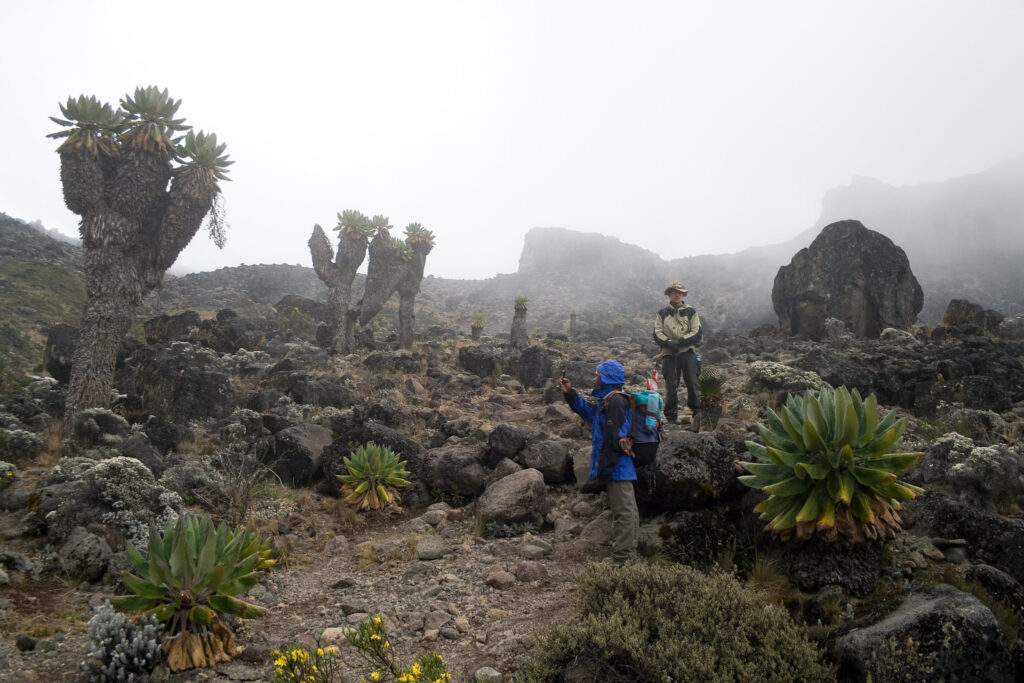
- Walk Through Five Ecological Zones: From lush rainforest (800m–2,800m) full of blue monkeys and Colobus monkeys, through heath and moorland, alpine desert, and finally the icy arctic summit zone. Each zone feels like a different planet.
- Watch the Milky Way from Barranco Camp: With zero light pollution at 3,950 metres, the night sky above Kilimanjaro is extraordinary. Bring a phone camera or DSLR for astrophotography.
- Witness the Glaciers: Kilimanjaro’s glaciers — though retreating rapidly due to climate change — remain a breathtaking sight. The Rebmann Glacier, Eastern Icefields, and Furtwängler Glacier are visible from the crater rim. See them while you still can.
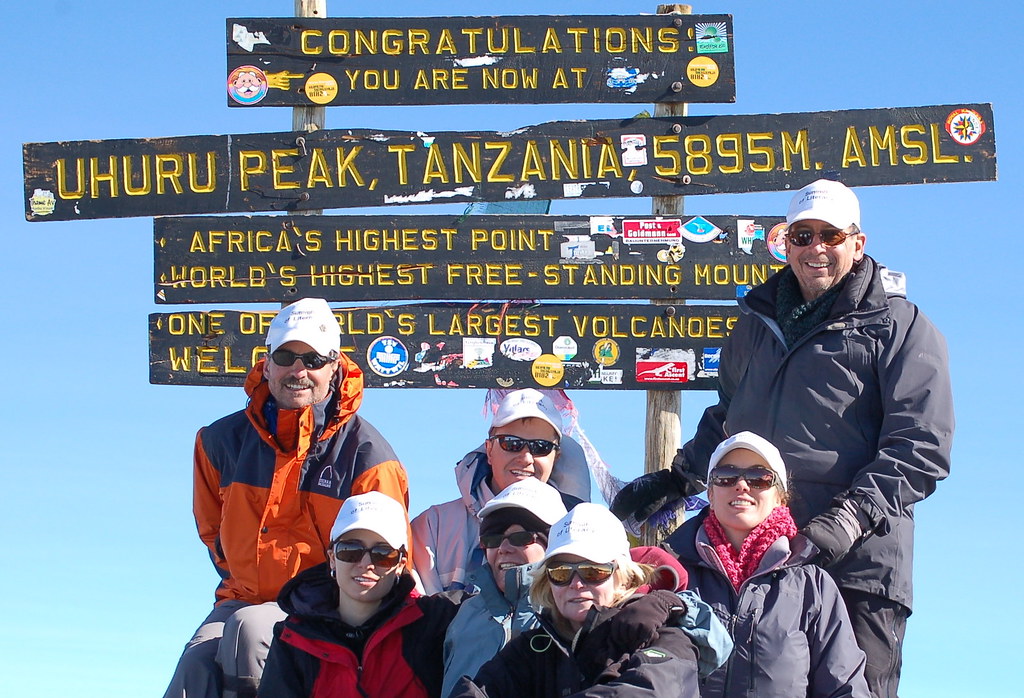
- Summit Sunrise at Uhuru Peak: Perhaps the greatest reward in African adventure travel. Standing at 5,895m as the African sunrise floods the horizon below you is a moment that climbers describe as life-changing.
In Moshi: The Gateway City
Moshi is the main base for Kilimanjaro climbers and a lively, friendly Tanzanian city with plenty to offer:
- Chagga Cultural Tours: The Chagga people have inhabited the slopes of Kilimanjaro for centuries. Cultural walking tours take you through traditional villages, coffee plantations, and banana groves.
- Materuni Waterfall: A stunning 90-metre waterfall on the slopes of Kilimanjaro, reached via a half-day hike through Chagga farmland. Many operators offer a coffee tour combined with the falls hike.
- Moshi Market: The town’s central market is a colourful, bustling place to experience local life, buy fresh produce, and pick up Tanzanian souvenirs.
- Kilimanjaro Lager Brewery Tour: Tanzania’s iconic beer is brewed in Arusha, but many Moshi bars offer tasting nights. A cold Kili beer after summiting is a rite of passage.
Wildlife Safaris: Combine Your Climb with Tanzania’s Greatest Show
Many climbers extend their Tanzania trip with a safari. The Kilimanjaro region is superbly positioned for this:
- Amboseli National Park (Kenya): Just across the border, Amboseli offers the iconic view of Kilimanjaro rising above elephant herds — one of the most photographed wildlife images in the world.
- Serengeti National Park: A 4-6 hour drive from Moshi, the Serengeti hosts the Great Wildebeest Migration (July–October), one of nature’s greatest spectacles.
- Ngorongoro Crater: The world’s largest intact volcanic caldera is a 45-minute drive from the Serengeti. It contains the densest concentration of wildlife in Africa, including all Big Five species.
- Lake Manyara: Famous for its tree-climbing lions and vast flocks of flamingos, Lake Manyara is a convenient half-day safari from Arusha.
- Tarangire National Park: Known for its enormous elephant herds and ancient baobab trees. Best visited July–October.
Zanzibar: The Perfect Post-Climb Recovery
After the physical exhaustion of Kilimanjaro, many climbers reward themselves with a week in Zanzibar — Tanzania’s spice island paradise, a 45-minute flight from Kilimanjaro International Airport:
- Stone Town: A UNESCO World Heritage Site with winding alleyways, ornate carved doors, Arab-Swahili architecture, and vibrant night markets.
- Nungwi and Kendwa Beaches: Pristine white sand beaches on the northern tip of the island, with turquoise water ideal for snorkelling and diving.
- Spice Tours: Zanzibar earned its historic name as the Spice Island. Half-day spice plantation tours reveal the origins of cloves, nutmeg, cinnamon, and vanilla.
- Dolphin Snorkelling at Kizimkazi: South Zanzibar’s Kizimkazi Bay is one of the few places in the world where you can snorkel alongside wild dolphins year-round.
Kilimanjaro Hike Difficulty
One of the most common misconceptions about Kilimanjaro is that it’s ‘just a walk’ because it requires no technical climbing. While this is technically true — you don’t need ropes, harnesses, or crampons on most routes — Kilimanjaro is genuinely hard, and underestimating it is the primary reason climbers fail to summit.
What Makes Kilimanjaro Hard?
- Altitude
The single greatest challenge is altitude and the associated risk of Acute Mountain Sickness (AMS). At 5,895 metres, the summit has roughly 50% of the oxygen available at sea level. Even extremely fit individuals can experience AMS. Symptoms range from headache, nausea, and fatigue (mild AMS) to fluid on the lungs or brain (severe AMS — medical emergency). The key to success is slow ascent and proper acclimatization — this is why longer routes have higher success rates.
- Cold and Wind
Summit night temperatures regularly drop to -20°C or below with windchill. The final ascent from Barafu Camp starts at midnight and involves 5-6 hours of climbing in the dark, in the cold, at altitude. Many climbers who are physically fit are nonetheless underprepared for how cold and brutal summit night can feel. Proper gear is essential.
- Physical Endurance
While not technically difficult, Kilimanjaro involves 6-9 hours of hiking per day for multiple consecutive days, covering 15-25km per day on increasingly rough terrain. Cumulative fatigue is real. A solid base fitness level — including cardiovascular training and multi-day hiking experience — significantly improves both your performance and enjoyment.
- Psychological Endurance
Summit night is not just a physical challenge — it tests mental resolve. Hours of pre-dawn hiking at altitude, exhaustion, cold, and darkness make it tempting to turn back even when the summit is within reach. Mental preparation and knowing what to expect makes a measurable difference in summit success.
Fitness Requirements
You don’t need to be an elite athlete to summit Kilimanjaro, but you do need to be in solid physical condition. Most successful climbers prepare with 3-4 months of dedicated training:
- Cardiovascular base: Running, cycling, or swimming 3-4 times per week for at least 3 months
- Hiking-specific training: Multi-day hikes with a loaded pack (10-15kg), ideally on hilly terrain
- Strength: Leg strength and core stability reduce knee and fatigue issues on long descents
- Altitude simulation: If possible, consider training at altitude (high-altitude trekking in the Alps, Atlas Mountains, or Andes) before Kilimanjaro
📊 Kilimanjaro Difficulty Rating Summary |
Physical Demand: ★★★★☆ Hard (multi-day hiking at altitude) Technical Skill: ★★☆☆☆ Low (walking, some scrambling on Machame/Lemosho) Cold/Weather Risk: ★★★★☆ High (-20°C summit night, potential storms) Altitude Risk: ★★★★★ Very High (5,895m — altitude sickness is the #1 failure cause) Mental Challenge: ★★★★☆ Hard (summit night requires mental toughness) Overall Difficulty: ★★★★☆ Hard — not impossible, but not a gentle stroll |
What I Wish I Knew Before Climbing Kilimanjaro
Every Kilimanjaro climber finishes the mountain with a list of things they wish someone had told them beforehand. This section compiles the hard-won wisdom of hundreds of climbers — the insider knowledge that can make the difference between a life-changing summit and a painful failure.
1. ‘Pole Pole’ Is Not a Suggestion
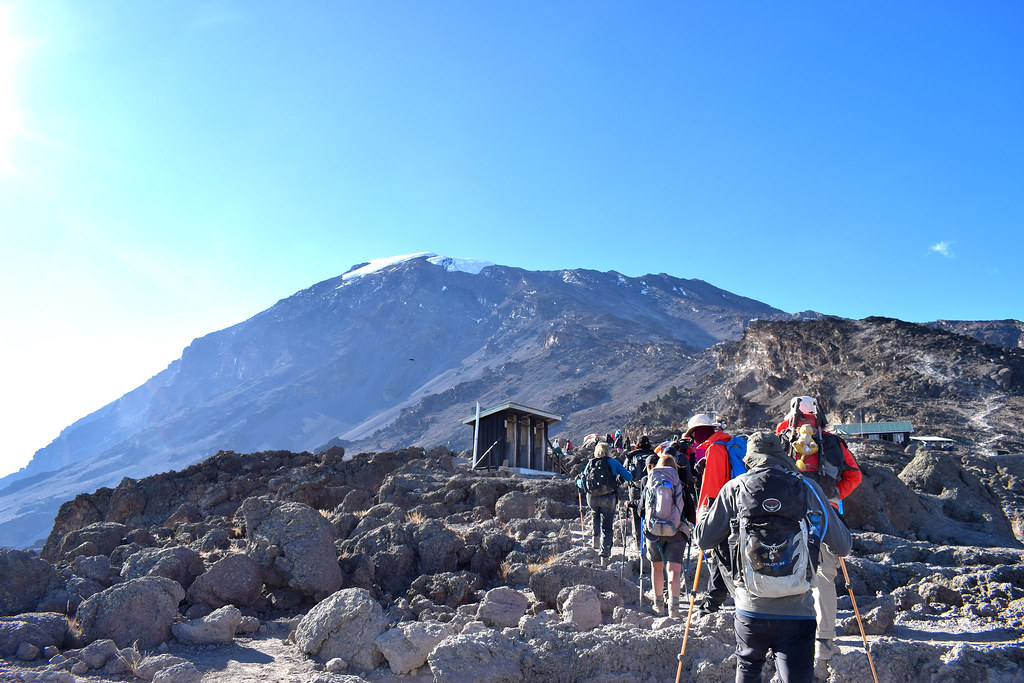
The Swahili phrase ‘pole pole’ (pronounced poh-lay poh-lay) means ‘slowly, slowly’ and it is the most repeated instruction on the mountain. Guides say it for a reason. The instinct for fit hikers is to walk at their normal pace — but at altitude, even a 20% increase in pace dramatically accelerates oxygen depletion and altitude sickness risk. Walk slower than feels comfortable. Much slower. Your body is working twice as hard as it feels.
2. Your Fitness Level Has Less to Do With Success Than You Think
Kilimanjaro is one of the few mountains where extremely fit climbers frequently fail, while less fit but patient climbers succeed. The mountain is 80% mental and altitude management, 20% physical fitness. Ultra-marathon runners and CrossFit athletes who push too hard suffer from AMS and turn back. Methodical, patient, less athletic climbers who respect the mountain often summit. Train your patience as much as your body.
3. Summit Night Is the Hardest Night of Your Life (And That’s Okay)
Nothing prepares you for what summit night actually feels like. You wake at midnight, exhausted from days of hiking, in sub-zero darkness. The first few hours feel fine. Then, above 5,000 metres, your world shrinks to the next step. Every breath requires effort. The urge to stop and turn back is overwhelming. Almost every successful summiteer has a moment when they wanted to quit. This is normal. Keep moving. The summit is worth every step of it.
4. Hydration Is Your Secret Weapon
At altitude, your body requires significantly more water than at sea level. Dehydration accelerates altitude sickness and mimics AMS symptoms, making it harder to assess your health. Drink a minimum of 3-4 litres of water per day, even when you don’t feel thirsty. Start hydrating heavily 2-3 days before your climb begins. Electrolyte tablets or sachets help replenish minerals lost through increased respiration.
5. Broken-In Boots Are Non-Negotiable
Blisters are the silent enemy of summit success. New boots — even excellent ones — can cause debilitating blisters that accumulate over seven days of hiking. Begin wearing your Kilimanjaro boots for training walks at least two months before your climb, including multi-day hikes. If your boots are causing any discomfort at all during training, replace them before the climb — not during.
6. Diamox: Have the Conversation With Your Doctor
Acetazolamide (Diamox) is a prescription medication that aids acclimatization by stimulating faster breathing and reducing AMS risk. Many experienced Kilimanjaro guides recommend it. It does have side effects (increased urination, tingling fingers, and in rare cases allergic reaction). Discuss its use with your doctor 4-6 weeks before your trip. The conversation is worth having.
7. Your Headlamp Batteries WILL Die in the Cold
Cold temperatures drain battery power dramatically. A headlamp that seems fully charged in your tent can fail within an hour on a -15°C summit night. Bring spare batteries and keep them warm in an inner pocket against your body during the ascent. Do not trust rechargeable batteries at summit temperatures without a backup plan.
8. The Descent Is Harder on Your Body Than the Ascent
Climbers focus almost exclusively on the ascent, but the descent — particularly on routes like Machame that descend steeply via the Mweka Route — is brutally hard on knees and quads. After days of uphill hiking and a midnight summit push, your legs will already be exhausted. Trekking poles are invaluable on the descent. Consider adding knee support and descent-specific exercises to your training programme.
9. Your Guide Knows More Than You
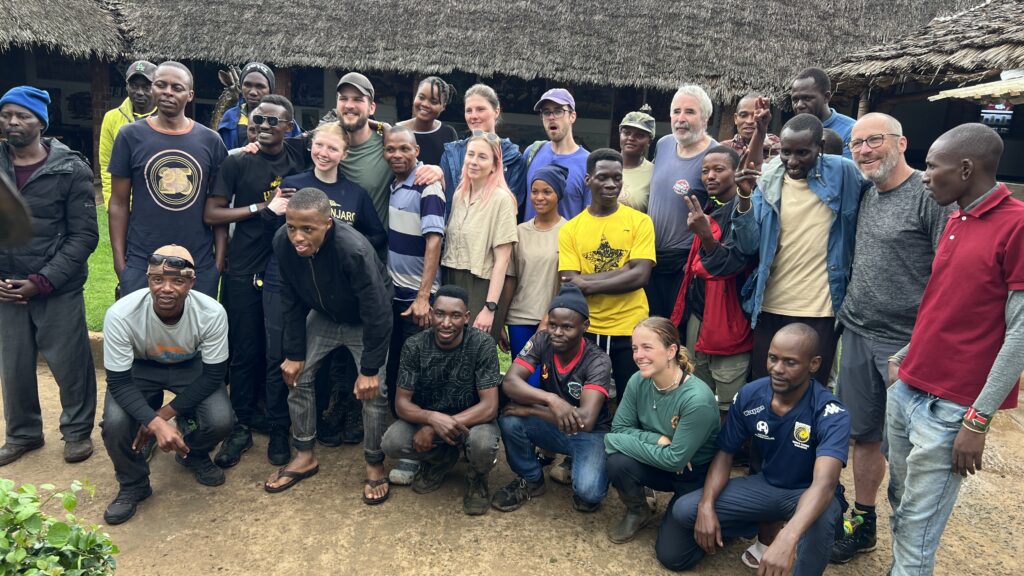
Kilimanjaro guides are among the best mountain professionals in Africa. They know the signs of serious AMS better than you do. They know when conditions at the summit are dangerous. They know your body’s condition, sometimes better than you know it yourself. Trust them. If your guide says you need to turn back, turn back — they have saved lives with that judgment. If your guide says slow down, slow down. Their experience is your greatest asset.
10. It Changes You
This sounds like a cliché until you’re standing at Uhuru Peak at dawn, above the clouds, 5,895 metres above the sea, exhausted and overwhelmed and utterly alive. The mountain asks something real of you — physically, mentally, and emotionally. What you bring back down is not just a certificate and summit photos. It’s the knowledge that you are capable of far more than you thought. Kilimanjaro has a way of recalibrating your sense of what’s possible.
Go Prepared, Go Slow, Go Summit
Kilimanjaro is one of the great adventures of a lifetime. It is hard. It is cold. It demands more than most mountains of comparable technical simplicity. But it also rewards you with one of the most spectacular summit experiences anywhere in the world. Prepare thoroughly, choose the right route for your schedule and budget, respect the altitude, and trust the process.
The Roof of Africa is waiting. Karibu — you are welcome.