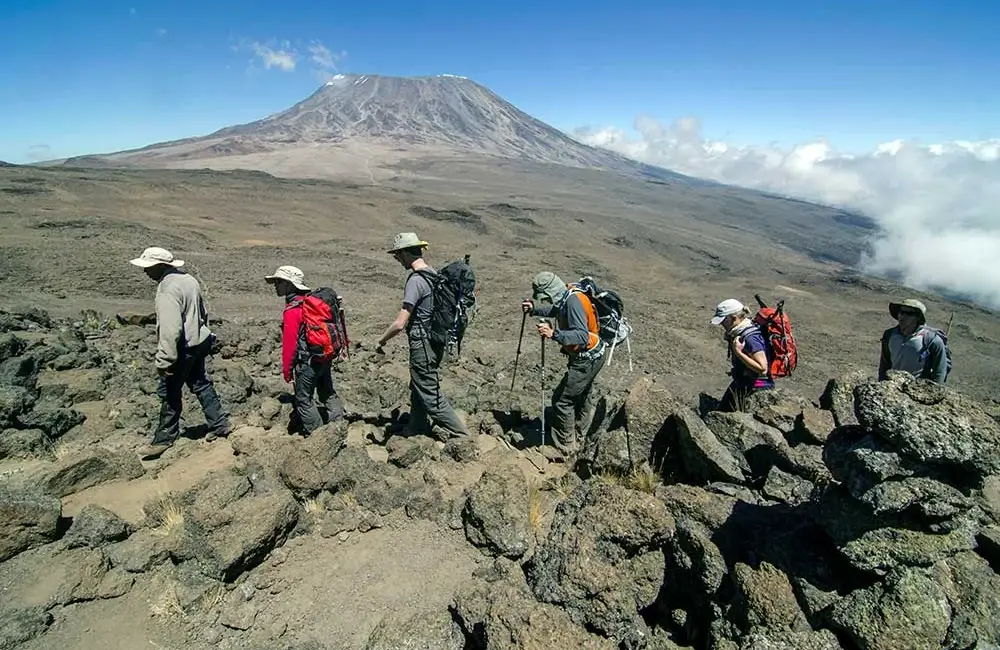
Climbing Mount Kilimanjaro via the Lemosho Route: The Ultimate Guide
Climbing Africa’s highest peak is a life-changing adventure, and choosing the right route can make all the difference. The Lemosho Route is widely regarded as the most scenic and well-balanced trail on Kilimanjaro, offering breathtaking landscapes, excellent acclimatization, and one of the highest summit success rates on the mountain.
Whether you are a first-time trekker or an experienced adventurer, the Lemosho Route provides the perfect combination of beauty, challenge, and achievement.
Why Choose the Lemosho Route?
Among all Kilimanjaro routes, Lemosho stands out for its diversity of scenery and gradual ascent profile. Starting from the remote western side of the mountain, it allows climbers to experience untouched wilderness before joining more popular trails later in the trek.
Key Advantages
- Exceptional Scenery: From lush rainforest to alpine desert and icy summit
- Low Crowds: Quiet and peaceful during the first few days
- High Success Rate: Especially on 8-day itineraries
- Better Acclimatization: “Climb high, sleep low” profile
- Rich Wildlife Encounters: Possible sightings of monkeys and forest birds
Unlike shorter routes, Lemosho gives your body time to adjust to altitude, which significantly increases your chances of reaching the summit.
Route Overview
- Starting Point: Londorossi Gate (western side)
- Duration: 7–9 days (8 days recommended)
- Distance: Approximately 70 km (42 miles)
- Difficulty Level: Moderate to challenging
- Summit: Uhuru Peak (5,895 meters)
The route eventually merges with the Machame trail and follows the Southern Circuit, offering panoramic views from multiple angles before the summit push.
A Journey Through Five Climate Zones
One of the most fascinating aspects of climbing Kilimanjaro is passing through distinct ecological zones, each with unique landscapes and conditions.
1. Rainforest Zone
The trek begins in dense tropical rainforest. Expect towering trees, thick vegetation, and high humidity. This is where you may encounter black-and-white colobus monkeys and exotic birdlife.
2. Heath and Moorland
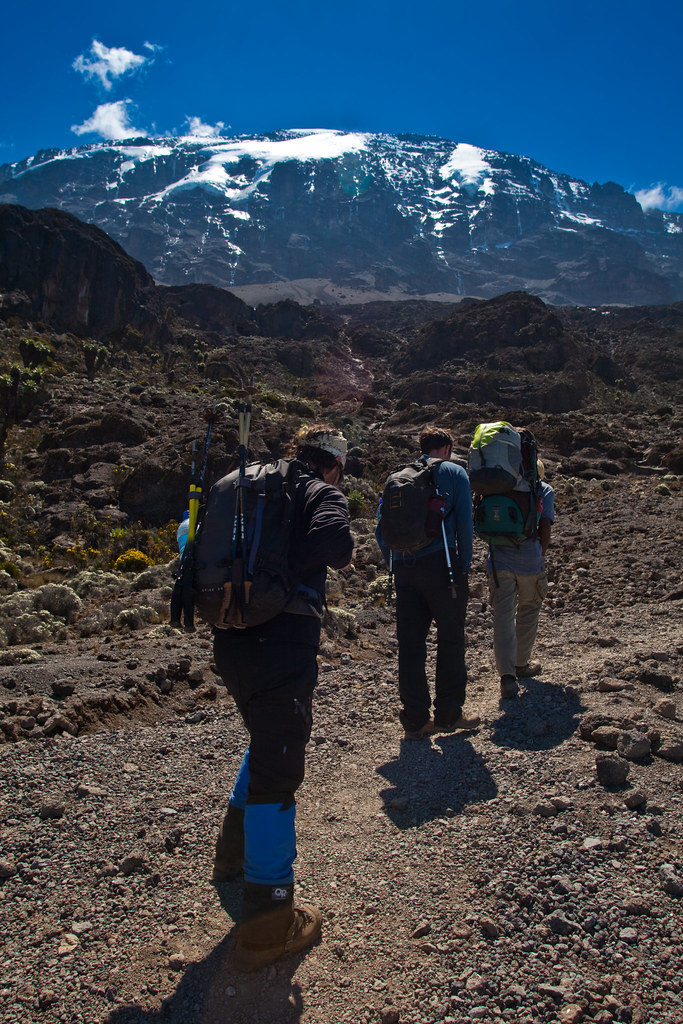
As you ascend, the forest opens into moorland filled with giant heathers and lobelias. The air becomes cooler, and views begin to expand.
3. Shira Plateau
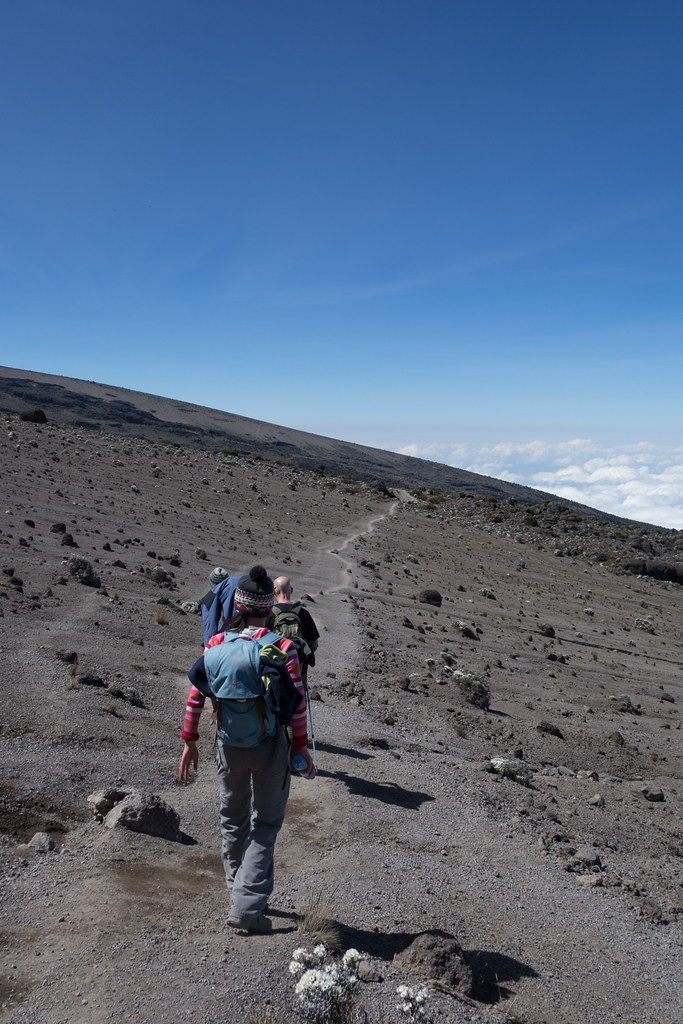
A highlight of the Lemosho Route, the Shira Plateau offers vast open landscapes and stunning views. This ancient volcanic plateau is perfect for acclimatization and photography.
4. Alpine Desert
The terrain becomes dry and rocky, with sparse vegetation. Temperatures fluctuate dramatically between day and night.
5. Arctic Summit Zone
Near the summit, conditions resemble a polar environment. Ice, snow, and freezing winds dominate as you approach Uhuru Peak.
Typical 8-Day Lemosho Itinerary
Day 1: Londorossi Gate to Forest Camp
Your journey begins with registration at Londorossi Gate before trekking through dense rainforest. The trail is gentle and rich in biodiversity.
Day 2: Forest Camp to Shira 1 Camp
You leave the forest behind and enter the moorland zone. The trail gradually ascends toward the Shira Plateau.
Day 3: Shira 1 to Shira 2 Camp
A relatively easy day designed for acclimatization. Enjoy sweeping views across the plateau and your first clear sight of the summit.
Day 4: Shira 2 to Lava Tower to Barranco Camp
This is a crucial acclimatization day. You climb to Lava Tower (over 4,600m) before descending to Barranco Camp, following the “climb high, sleep low” principle.
Day 5: Barranco Camp to Karanga Camp
Start the day by tackling the famous Barranco Wall—a fun, non-technical scramble. Continue through valleys and ridges to Karanga Camp.
Day 6: Karanga Camp to Barafu Camp
A shorter but important day as you prepare for the summit. Rest early and get ready for the midnight ascent.
Day 7: Summit Day – Barafu to Uhuru Peak to Mweka Camp
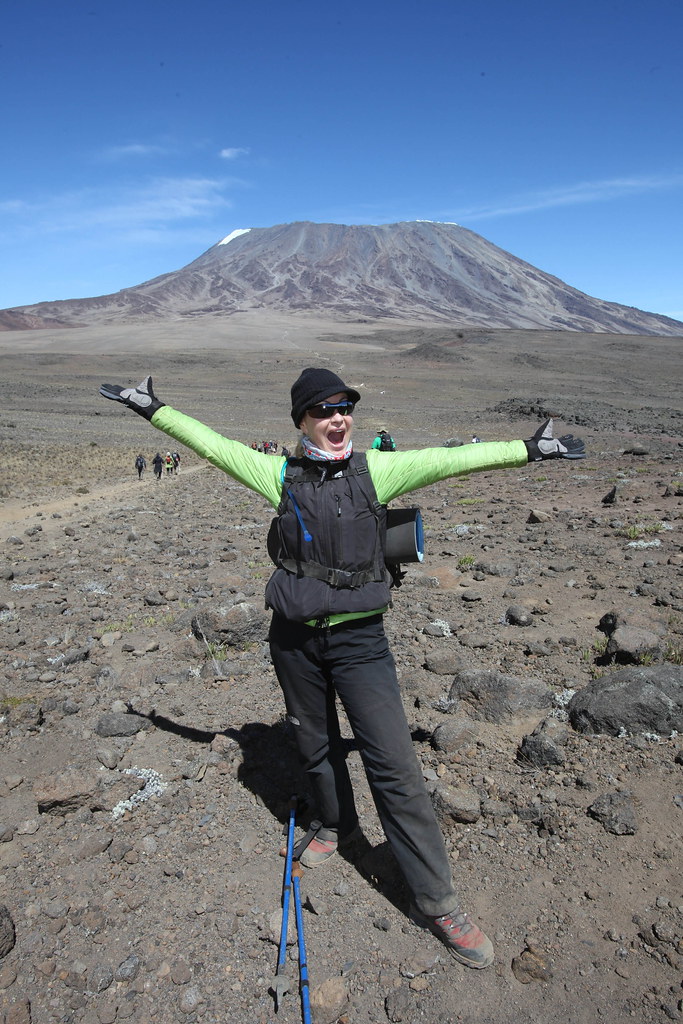
The most challenging and rewarding day. Starting around midnight, you trek to Stella Point and finally reach Uhuru Peak. After celebrating, descend to Mweka Camp.
Day 8: Mweka Camp to Mweka Gate
A final descent through the rainforest marks the end of your Kilimanjaro adventure.
Difficulty and Fitness Requirements
The Lemosho Route is considered moderate to challenging, but it does not require technical climbing skills. However, good physical fitness is essential.
You should be able to:
- Hike for 6–8 hours per day
- Handle high altitudes (up to 5,895m)
- Endure cold temperatures and long trekking days
Preparation through hiking, cardio training, and altitude awareness is highly recommended.
Acclimatization and Success Rate
One of the biggest advantages of the Lemosho Route is its excellent acclimatization profile. The gradual ascent and longer duration allow your body to adjust properly to altitude changes.
This results in:
- Reduced risk of altitude sickness
- Higher summit success rates (often above 90% on 8-day climbs)
Best Time to Climb
Kilimanjaro can be climbed year-round, but the best conditions are during the dry seasons:
- January to March: Cooler with fewer crowds
- June to October: Warmer and more popular
Avoid the rainy seasons (April–May and November) for a more comfortable experience.
What to Pack
Proper gear is essential for a successful climb.
Essentials include:
- Waterproof hiking boots
- Layered clothing (for varying temperatures)
- Warm jacket and thermal wear
- Sleeping bag (rated for sub-zero temperatures)
- Headlamp (for summit night)
- Trekking poles
- Hydration system
Most operators provide camping equipment, but personal gear is your responsibility.
Responsible Climbing and Sustainability
Climbing Kilimanjaro is not just about reaching the summit—it’s also about protecting the environment and supporting local communities.
Choose operators who:
- Follow Leave No Trace principles
- Treat porters fairly and ethically
- Support local employment and conservation efforts
Sustainable tourism ensures that Kilimanjaro remains pristine for future generations.
Final Thoughts
Climbing Mount Kilimanjaro via the Lemosho Route is more than just a trek—it’s an unforgettable journey through diverse ecosystems, breathtaking landscapes, and personal achievement.
With its unmatched scenery, excellent acclimatization, and high success rate, the Lemosho Route is often considered the best route on Kilimanjaro. Reaching Uhuru Peak is a moment of triumph that rewards every step taken along the way.
Whether you are chasing adventure, testing your limits, or fulfilling a lifelong dream, the Lemosho Route offers an experience that is as rewarding as the destination itself.